What are the weight limits for a construction fence?
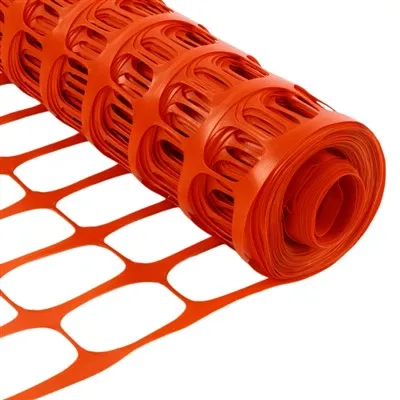
As a seasoned supplier in the construction fence industry, I often encounter a crucial question from both contractors and project managers: "What are the weight limits for a construction fence?" This question isn’t just a matter of idle curiosity; it’s a fundamental aspect of ensuring the safety, stability, and functionality of any construction site. Construction Fence
Understanding the Importance of Weight Limits
First and foremost, let’s delve into why weight limits matter so much. Construction fences serve multiple purposes, from keeping unauthorized personnel out to protecting the public from potential hazards. If a fence isn’t properly weighted, it can be easily toppled by strong winds, accidental impacts, or even the normal wear and tear of a busy construction site. This not only compromises the security of the site but also poses a significant safety risk to everyone in the vicinity.
For instance, imagine a large construction project in an area prone to high – speed winds. A lightweight fence that doesn’t meet the appropriate weight limits could be blown over, crashing into nearby pedestrians, vehicles, or other structures. Such an incident could result in serious injuries, property damage, and costly legal consequences.
Factors Influencing Weight Limits
Several factors play a role in determining the weight limits for a construction fence. Location is one of the most significant factors. Sites in coastal areas, mountainous regions, or areas with high wind speeds will require heavier fences to withstand the forces of nature. In areas with a high likelihood of snowfall, the additional weight of snow on the fence must also be taken into account.
The type of construction project itself is another key factor. A large – scale commercial building project with heavy machinery and a lot of traffic may require a more robust and heavier fence compared to a small – scale residential renovation. The duration of the project also matters. Longer – term projects may need more durable and heavier fences to ensure they remain stable over time.
Moreover, local building codes and regulations often dictate the minimum weight requirements for construction fences. These codes are put in place to protect public safety, and failing to comply with them can result in fines and project delays.
Types of Construction Fences and Their Weight Limits
There are various types of construction fences available in the market, each with its own set of weight limits.
Chain – Link Fences: Chain – link fences are a popular choice due to their affordability and durability. The weight of a chain – link fence depends on the gauge of the wire used and the height of the fence. Generally, a standard 4 – foot high chain – link fence with a 11 – gauge wire may weigh around 1.5 to 2 pounds per linear foot. For taller fences or those in high – wind areas, heavier gauges of wire may be required, increasing the weight to 2.5 to 3 pounds per linear foot.
Wooden Fences: Wooden fences offer a more aesthetically pleasing option. They can vary significantly in weight depending on the type of wood used and the design of the fence. A basic 6 – foot high wooden picket fence may weigh around 3 to 4 pounds per linear foot, while a solid wooden panel fence of the same height can weigh 5 to 6 pounds per linear foot.
Panel Fences: Panel fences, such as those made of metal or plastic composites, are often used for their ease of installation. A standard 8 – foot high metal panel fence may weigh between 10 and 15 pounds per panel, while a plastic composite panel fence of the same size could weigh around 5 to 8 pounds.
Calculating the Weight Requirements
To accurately calculate the weight requirements for a construction fence, it’s essential to consider the fence’s dimensions, the wind load in the area, and any additional loads such as snow or the impact of machinery.
The wind load is determined by factors like the fence’s height, length, and the local wind speed. Engineering formulas can be used to calculate the wind force acting on the fence. For example, the American Society of Civil Engineers (ASCE) provides guidelines for calculating wind loads on structures, including fences.
Once the wind load is calculated, additional weight can be added to ensure the fence remains stable. This can be done through the use of base weights or ballasts. These weights are typically made of concrete, metal, or other heavy materials and are attached to the bottom of the fence panels.
Let’s say you’re installing a 6 – foot high chain – link fence in an area with a moderate wind speed. Based on the wind load calculations, you may need to add base weights of around 20 to 30 pounds per linear foot to meet the stability requirements.
Our Role as a Construction Fence Supplier
As a construction fence supplier, our job is to provide our customers with the right information and products to meet their weight requirements. We work closely with our clients to understand the specific needs of their projects, including the location, project duration, and local regulations.
We offer a wide range of construction fences, from lightweight options for short – term projects to heavy – duty fences for long – term, high – risk sites. Our team of experts can assist in calculating the appropriate weight limits for each project and recommend the best fence type and base weights to ensure stability and safety.
In addition to supplying the fences, we also provide installation support. Our experienced installers know how to properly secure the fences and attach the base weights to ensure they meet the required weight limits. We also offer maintenance services to keep the fences in good condition throughout the project.
Why Choose Our Construction Fences?
When it comes to choosing a construction fence supplier, there are several reasons to choose us. Firstly, we have a vast inventory of high – quality fences that are built to last. Our products are made from the best materials available in the market, ensuring durability and reliability.
Secondly, we offer competitive pricing without compromising on quality. We understand that cost is a significant factor in any construction project, and we strive to provide our customers with the best value for their money.
Thirdly, our customer service is second to none. We are committed to ensuring that our clients are satisfied with our products and services. Our team is always on hand to answer any questions, provide technical support, and assist with any issues that may arise during the project.
Contact Us for Your Construction Fence Needs
If you’re in need of a construction fence for your project, I encourage you to get in touch with us. Whether you’re a small – scale contractor or a large construction company, we have the expertise and resources to meet your needs. We can help you determine the appropriate weight limits for your fence and provide you with the right products and services to ensure a safe and successful project.

Don’t compromise on the safety and stability of your construction site. Reach out to us today to discuss your requirements and get a free quote. We look forward to working with you on your next project.
Safety Barrier Mesh References
- American Society of Civil Engineers (ASCE). "Minimum Design Loads for Buildings and Other Structures."
- Construction Industry Institute. "Best Practices for Construction Site Safety and Security."
- Local building codes and regulations from various municipalities.
Shaoxing Yongte Plastics Co., Ltd.
We are one of the most reliable construction fence manufacturers and suppliers in China, specialized in providing high quality customized products. We warmly welcome you to wholesale discount construction fence for sale here from our factory. Contact us for pricelist and free sample.
Address: INDUSTRIAL PARK, LIZHU TOWN, KEQIAO DISTRICT, SHAOXING CITY, ZHEJIANG PROVINCE
E-mail: support@sxxyongte.com.cn
WebSite: https://www.fenceplastic.com/
