Hey there! I’m a supplier of Cavalry Twill, and today I wanna chat about whether Cavalry Twill is a sustainable fabric. It’s a hot topic lately, and as someone who deals with this fabric every day, I’ve got some thoughts to share. Cavalry Twill
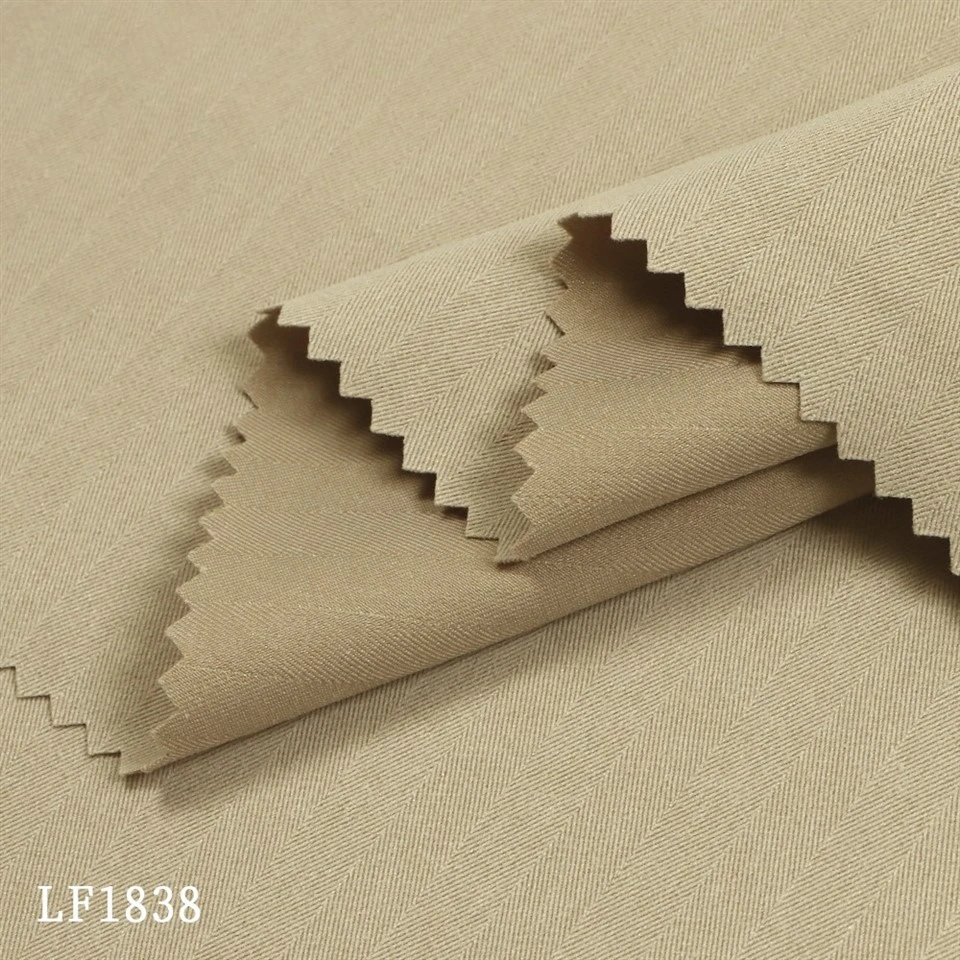
First off, let’s talk about what Cavalry Twill actually is. Cavalry Twill is a type of fabric that’s known for its durability and strength. It’s got a distinct diagonal weave pattern that gives it a unique look and feel. Historically, it was used for military uniforms, especially for cavalry units (hence the name), because it could stand up to the rigors of riding and combat.
Now, when we’re talking about sustainability, there are a few key aspects to consider: the raw materials, the production process, and the end – of – life disposal.
Raw Materials
The most common raw material for Cavalry Twill is cotton. Cotton is a natural fiber, and that’s a big plus when it comes to sustainability. It’s biodegradable, which means that when the fabric reaches the end of its useful life, it can break down in the environment without causing long – term pollution.
But here’s the thing. Conventional cotton farming has some major issues. It uses a ton of water – like, seriously, a whole lot. In fact, cotton production can be incredibly water – intensive, and in some regions where water is scarce, this can lead to major water shortages. Also, conventional cotton farming often relies heavily on pesticides and fertilizers. These chemicals can have harmful effects on the environment, including soil degradation, water pollution, and harm to wildlife.
However, there’s a silver lining. More and more, we’re seeing the rise of organic cotton. Organic cotton is grown without the use of synthetic pesticides and fertilizers. It’s also often grown using more sustainable farming methods that conserve water. So, if we’re using organic cotton to make Cavalry Twill, we’re already making a big step towards sustainability.
As a supplier, I’ve been making a conscious effort to source organic cotton for my Cavalry Twill. It might be a bit more expensive, but I think it’s worth it in the long run, both for the environment and for the reputation of the fabric.
Production Process
The production of Cavalry Twill involves several steps, and each one has an impact on the environment.
First, there’s the spinning process, where the cotton fibers are turned into yarn. This process requires energy, usually in the form of electricity. If the electricity comes from non – renewable sources like coal or natural gas, it can contribute to greenhouse gas emissions. But some mills are starting to switch to renewable energy sources, like solar or wind power, which is a great move towards sustainability.
Next is the weaving process. The diagonal twill pattern of Cavalry Twill is created on a loom. Again, this process uses energy, and the looms themselves can be quite energy – hungry. However, modern looms are becoming more energy – efficient, which helps to reduce the overall environmental impact.
Dyeing and finishing are also important steps. Traditional dyeing processes can be very polluting. Many dyes contain heavy metals and other harmful chemicals that can end up in waterways if not properly treated. But there are now more sustainable dyeing options available, such as natural dyes made from plants and minerals. These natural dyes are biodegradable and don’t have the same negative environmental impact as synthetic dyes.
As a supplier, I’ve been working with mills that are committed to sustainable practices. They’re using renewable energy, more efficient looms, and sustainable dyeing methods. It’s not always easy to find these mills, and sometimes the cost is a bit higher, but I believe it’s the right thing to do.
End – of – Life Disposal
One of the great things about Cavalry Twill made from cotton is that it’s biodegradable. When the fabric is no longer useful, it can break down in the soil over time. This is a huge advantage compared to synthetic fabrics, which can take hundreds of years to decompose and often end up in landfills.
But we can do even better than just letting it decompose. There’s a growing trend towards recycling and upcycling fabrics. Cavalry Twill, with its durability, is a great candidate for upcycling. It can be turned into new products, like bags, home decor items, or even new pieces of clothing. This extends the life of the fabric and reduces the demand for new raw materials.
As a supplier, I’ve been promoting the idea of upcycling to my customers. I think it’s a great way to make our fabric even more sustainable.
Other Considerations
Besides the raw materials, production, and disposal, there are a few other things to think about when it comes to the sustainability of Cavalry Twill.
One is transportation. If the raw materials are sourced from far away, and the finished fabric is then shipped all over the world, the carbon footprint associated with transportation can be quite large. That’s why I try to source my raw materials locally whenever possible. It reduces the distance the materials have to travel and cuts down on emissions.
Another factor is the durability of the fabric. Cavalry Twill is known for being long – lasting. When a product is durable, it doesn’t need to be replaced as often, which means less waste in the long run. If you have a pair of pants made from Cavalry Twill, you can expect them to last for years, even with regular use.
Conclusion
So, is Cavalry Twill a sustainable fabric? Well, it has the potential to be. If we use organic cotton, implement sustainable production processes, and encourage recycling and upcycling, we can make Cavalry Twill a very eco – friendly fabric.
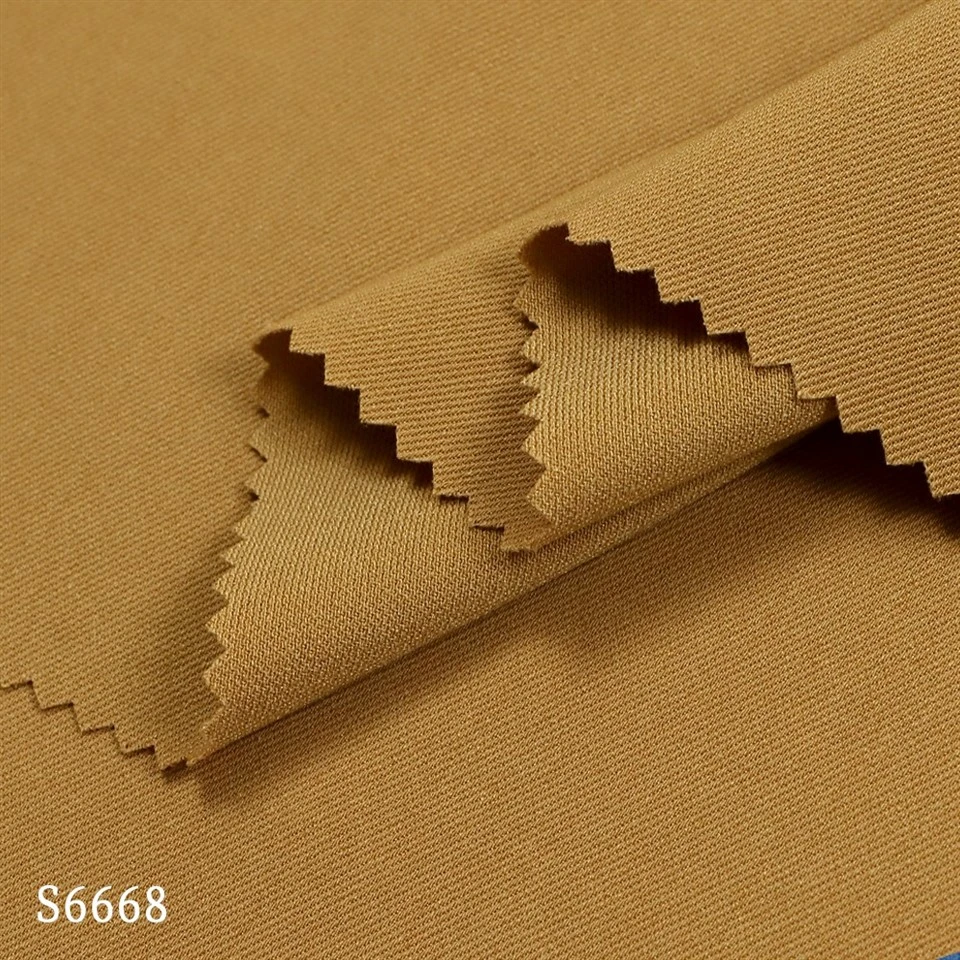
As a supplier, I’m doing my part by sourcing organic cotton, working with sustainable mills, and promoting upcycling. But it’s not just up to me. Consumers also have a big role to play. By choosing products made from sustainable Cavalry Twill, you’re sending a message to the industry that sustainability matters.
Polyester Crepe Fabric If you’re interested in learning more about our sustainable Cavalry Twill or are thinking about placing an order, I’d love to chat with you. Whether you’re a clothing manufacturer, a designer, or just someone who loves high – quality, sustainable fabrics, we can work together to make your project a success. Reach out to me, and let’s start a conversation about how we can bring sustainable Cavalry Twill into your business.
References
- "The State of Sustainable Fashion" report.
- Research on organic cotton farming by the Organic Trade Association.
- Studies on textile recycling and upcycling from the Textile Exchange.
Shaoxing Huichao Textile Co., Ltd.
As one of the most professional cavalry twill manufacturers and suppliers in China, we offer a wide range of products with superior quality. Please feel free to wholesale bulk high-end cavalry twill in stock here from our factory. Good service and reasonable price are available.
Address:
E-mail: darrenzhong@huichaotextile.com
WebSite: https://www.huichao-textile.com/
