In the global marketplace, the demand for preservatives and biocides has been steadily growing across various industries, including food, cosmetics, and pharmaceuticals. As a supplier in this field, I’ve witnessed firsthand how these chemical agents are crucial in maintaining product quality, extending shelf – life, and preventing the growth of harmful microorganisms. However, in recent years, there has been a significant shift in consumer preferences towards natural and eco – friendly products. This has spurred a search for natural alternatives to traditional preservatives and biocides. Preservatives & Biocides
Understanding Preservatives and Biocides
Before we dive into the natural alternatives, let’s briefly understand what preservatives and biocides are. Preservatives are substances added to products to prevent degradation caused by microorganisms, oxidation, or other chemical changes. They help keep products safe and effective for an extended period. Biocides, on the other hand, are broader in scope. They are designed to kill, deter, render harmless, or exert a controlling effect on any harmful organism by chemical or biological means.
Traditional preservatives and biocides, such as parabens, formaldehyde donors, and some halogenated compounds, have been widely used due to their effectiveness and low cost. However, concerns have been raised about their potential health risks, including allergic reactions, hormonal disruptions, and environmental contamination. This has led consumers and industries alike to look for safer and more sustainable options.
Natural Alternatives to Preservatives and Biocides
Essential Oils
Essential oils are concentrated hydrophobic liquids containing volatile aroma compounds from plants. They have been used for centuries for their medicinal, cosmetic, and aromatic properties. Many essential oils have antimicrobial, antifungal, and antioxidant properties, making them excellent candidates as natural alternatives to traditional preservatives.
For example, oregano essential oil contains carvacrol and thymol, which have strong antibacterial and antifungal effects. Studies have shown that oregano oil can inhibit the growth of various pathogens, including E. coli, Salmonella, and Candida albicans. In the food industry, it can be used to preserve meat, dairy products, and baked goods. In cosmetics, it can be added to creams, lotions, and shampoos to prevent microbial growth.
Another well – known essential oil is tea tree oil. It has long been used for its antiseptic properties. Tea tree oil can be effective against a wide range of bacteria, fungi, and viruses. It is commonly used in skin care products, such as acne treatments and wound dressings, to prevent infection and promote healing.
Plant Extracts
Plant extracts are another valuable source of natural preservatives and biocides. They contain a variety of bioactive compounds, such as polyphenols, flavonoids, and alkaloids, which have antioxidant, antimicrobial, and anti – inflammatory properties.
Grapefruit seed extract is a popular plant – based preservative. It contains a mixture of bioflavonoids, polyphenols, and other antioxidants. Grapefruit seed extract has been shown to have broad – spectrum antimicrobial activity against bacteria, fungi, and viruses. It can be used in food, cosmetics, and personal care products.
Rosemary extract is rich in antioxidants, such as carnosic acid and rosmarinic acid. These antioxidants help prevent the oxidation of fats and oils, which is a common cause of product spoilage. In the food industry, rosemary extract is often used in meat and poultry products, as well as in edible oils, to extend their shelf – life.
Organic Acids
Organic acids are widely found in nature and have been used for centuries as preservatives. They work by lowering the pH of the product, creating an environment that is unfavorable for the growth of microorganisms.
Citric acid is a naturally occurring acid found in citrus fruits. It is commonly used in the food, beverage, and cosmetic industries as an acidulant, antioxidant, and preservative. Citric acid can chelate metal ions, which helps prevent oxidation and the growth of bacteria and fungi.
Lactic acid is another organic acid with antimicrobial properties. It is produced by the fermentation of carbohydrates by lactic acid bacteria. Lactic acid is used in the food industry to preserve dairy products, meat, and vegetables. It can also be used in cosmetics to adjust the pH and prevent microbial growth.
Fermentation Products
Fermentation is a natural process that has been used for thousands of years to preserve food and produce alcoholic beverages. Certain fermentation products have antimicrobial properties and can be used as natural preservatives.
One example is vinegar, which is produced by the fermentation of ethanol by acetic acid bacteria. Vinegar contains acetic acid, which has strong antibacterial and antifungal properties. It is commonly used in the food industry to preserve pickles, salad dressings, and sauces.
Another fermentation product is nisin, which is a natural antimicrobial peptide produced by the bacterium Lactococcus lactis. Nisin is effective against a wide range of gram – positive bacteria, including Listeria monocytogenes and Staphylococcus aureus. It is used in the food industry, especially in dairy products and processed meats, to prevent spoilage and extend shelf – life.
Advantages and Limitations of Natural Alternatives
Advantages
- Safety: Natural alternatives are generally considered safer for human health and the environment compared to traditional preservatives and biocides. They are often derived from renewable sources and are less likely to cause allergic reactions or long – term health problems.
- Consumer Appeal: With the growing consumer demand for natural and organic products, using natural alternatives can enhance the marketability of products. Consumers are more likely to choose products that are labeled as "natural" or "preservative – free."
- Sustainability: Many natural alternatives are derived from plants or other natural sources, which are renewable. This makes them a more sustainable option compared to synthetic chemicals, which often require non – renewable resources for production.
Limitations
- Effectiveness: Natural alternatives may not be as effective as traditional preservatives and biocides in all situations. They may have a narrower spectrum of activity or require higher concentrations to achieve the same level of preservation.
- Stability: Some natural alternatives, such as essential oils and plant extracts, may be less stable than synthetic chemicals. They may degrade over time, especially when exposed to light, heat, or oxygen, which can reduce their effectiveness.
- Cost: In many cases, natural alternatives are more expensive than traditional preservatives and biocides. This can increase the production cost of products, making them less competitive in the market.
The Future of Natural Alternatives in the Preservative and Biocide Industry
Despite the limitations, the future of natural alternatives in the preservative and biocide industry looks promising. As technology advances, researchers are finding new ways to enhance the effectiveness and stability of natural alternatives. For example, encapsulation techniques can be used to protect essential oils and plant extracts from degradation and improve their controlled release.
In addition, the increasing consumer awareness of health and environmental issues is driving the demand for natural and sustainable products. This is forcing industries to invest in research and development to find more effective natural alternatives.
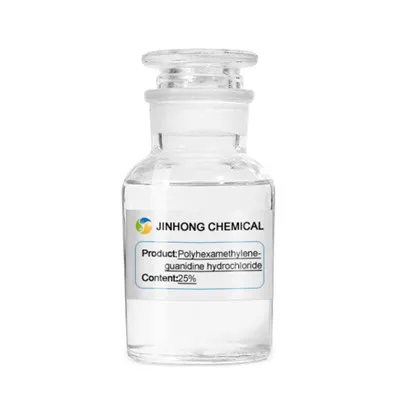
As a supplier of preservatives and biocides, I am committed to staying at the forefront of this trend. We are constantly exploring new natural ingredients and technologies to offer our customers the best possible solutions. Whether you are in the food, cosmetic, or pharmaceutical industry, we can help you find the right natural alternatives to meet your specific needs.
Polyhexamethylene Biguanide If you are interested in learning more about our natural alternatives to preservatives and biocides or would like to discuss potential procurement opportunities, please feel free to reach out to us. We look forward to working with you to create safer, more sustainable products.
References
- Burt, S. (2004). Essential oils: their antibacterial properties and potential applications in foods – a review. International Journal of Food Microbiology, 94(3), 223 – 253.
- Viuda – Martos, M., Ruiz – Navajas, Y., Fernández – López, J., & Pérez – Álvarez, J. A. (2010). Natural antioxidants for meats and meat products. A review. Meat Science, 86(2), 259 – 277.
- De Vuyst, L., & Leroy, F. (2007). Bacteriocins from lactic acid bacteria: Production, purification, and food applications. Journal of Molecular Microbiology and Biotechnology, 13(4), 194 – 208.
Hebei Jinhong Chemical Co., Ltd.
Hebei Jinhong Chemical Co., Ltd. is one of the most professional preservatives & biocides manufacturers and suppliers in China. With abundant experience, we warmly welcome you to wholesale high quality preservatives & biocides made in China here and get pricelist from our factory. For price consultation, contact us.
Address: North of Fazhan Road, East of Qingyuan Road, Nanbao Development Zone, Tangshan City, Hebei Province
E-mail: kevin@hbjhchemical.com
WebSite: https://www.hbjhchemical.com/
