If you’ve ever been deep in a plumbing or industrial piping project, I’m guessing you’ve run into those weird one-way valves that keep water (or whatever fluid you’re moving) from going backward—you know, the ones that save you from a whole lot of headache when a pump starts cycling off. Today we’re talking about a specific type of those: foot valves with union connections. For anyone who’s been in the fluid handling game for more than five minutes, this is probably not news, but if you’re new to sourcing these things or trying to figure out what makes a union foot valve different from a regular old foot valve, stick around. I’ve been selling foot valves for over 12 years now, and let’s be real—most people don’t ask enough questions about these until they’re sweating through a midnight repair job because their valve got stuck. Foot Valve
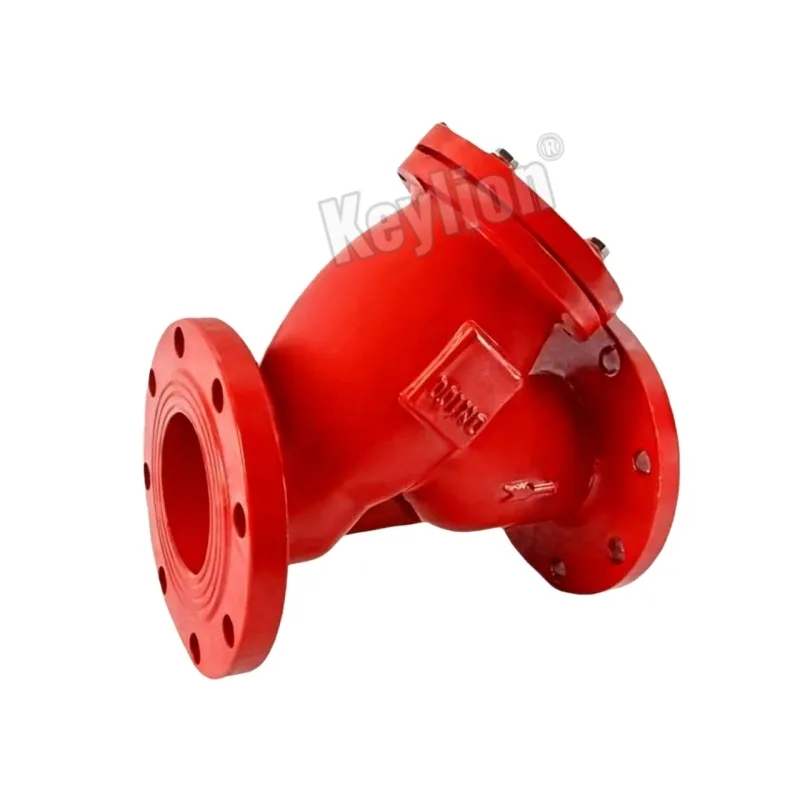
First off, let’s get the basics straight. A foot valve is a check valve (you might hear old heads call them “non-return valves” too, depending on what part of the country you’re from) that sits at the very bottom of a suction pipe, right? Usually submerged in the fluid you’re moving—like at the bottom of a well, a sump pit, or a large holding tank. Its whole job is twofold: keep the suction pipe primed with fluid so when you turn your pump on, it doesn’t have to work extra hard to suck air first, and stop that fluid from draining back down once the pump shuts off. Without that, you’d have to re-prime the pump every single time you use it, which is a huge waste of time and energy.
Now, what’s the union connection part? A union is that removable joint fitting you see in piping systems designed to let you take apart two sections of pipe without having to cut or solder them. A standard foot valve is threaded or flanged right to the top of the suction pipe, which means if something goes wrong—like the check disc gets clogged with sediment, or the spring breaks—you have to dig it up out of the tank or well, disconnect the whole pipe section, and swap out the valve. With a union-connected foot valve, the union is built right into the top of the valve body, so you can disconnect the valve from the pipe in seconds, no tools other than a wrench, no digging up extra pipe, no messing with threaded fittings. That’s the big selling point, let’s be honest. I’ve heard every complaint in the book from customers who bought a regular foot valve and had to pull 10 feet of pipe out of a 20-foot well just to replace a $15 disc. Union foot valves eliminate that garbage.
Let’s break down how these things work, because it’s not just a fancy fitting. The main parts of a union foot valve are all the same as a standard foot valve: a main valve body, a rubber or neoprene check disc (sometimes called a flap), a stainless steel spring that holds the disc closed when there’s no flow, and that union end at the top that connects straight to your suction pipe. The union itself has three parts: the female end on the valve, the male end on the pipe, and a gasket that seals the joint so no leaks happen. When you want to remove the valve, you just loosen the union nut, pull the valve straight down off the pipe, and you’re done. No pipe disassembly, no re-threading, just a quick swap. That’s a game-changer for anyone doing maintenance in tight spaces—like sump pits, small wells, or industrial tanks where there’s barely enough room to work.
Wait, but let’s talk about when you actually need one of these, because you don’t want to overspend on a union connection if you don’t need it. If you’re dealing with a permanent installation where you’ll never have to service the foot valve—like a well that’s 500 feet deep and you’re never going to pull the pipe out—then a regular flanged or threaded foot valve is fine. But if you’re doing any kind of maintenance, or if the valve is in a spot that’s hard to reach (like a sump pit in a basement that floods every few months, or a holding tank that you have to access quarterly to clear sediment), a union foot valve is non-negotiable. I had a customer last year who runs a small irrigation system for a local farm. He initially bought 12 regular foot valves, and by the end of the season, he was spending $800 a week on labor digging up the pipe to replace clogged valves. Switched to union foot valves, and his maintenance costs dropped by 90% that next year. He still sends me Christmas cookies, for the record.
Now, let’s get into the materials, because that’s where a lot of people cut corners, and that’s how you end up with a valve that breaks in six months. Union foot valves come in a ton of materials, depending on what fluid you’re moving. For water (most residential and light commercial uses), you’ll see brass, PVC, or cast iron. Brass is the most durable for potable water, it resists corrosion, and the union seals are long-lasting. PVC is cheaper, good for non-potable water or light-duty use, but don’t use it for hot water or chemicals— it’ll warp. Cast iron is for industrial uses, like moving thick slurry or wastewater, but you need to make sure the union is rated for that pressure, or you’ll get leaks. For chemical applications, we also have stainless steel union foot valves, which can handle all kinds of corrosive stuff, but they’re pricier, obviously.
Pressure rating is another thing to pay attention to. A lot of guys come in asking for a foot valve, and they don’t mention the operating pressure of their system, and then the valve fails because it couldn’t handle the back pressure. Union foot valves are rated for different PSI (pounds per square inch), usually between 150 and 300 PSI for most standard sizes. If you’re working with a high-pressure pump or a deep well, you need to get a valve rated for that pressure, otherwise the union might leak or the disc might not seat properly. I always tell customers: don’t guess on pressure. Just tell me how much your system runs, and I’ll point you to the right one. I’ve seen too many folks try to save a few bucks and end up with a burst pipe or a ruined pump, and trust me, that’s way more expensive than buying the right valve.
Now, common misconceptions about union foot valves. First, a lot of people think the union makes the valve weaker. No, the union is just a fitting— the valve body itself is the same strength as a non-union foot valve. The only extra part is that union joint, which is designed to hold the same pressure as the rest of your piping, as long as it’s installed correctly. Another myth: union foot valves are only for small pipes. We carry them in sizes from 1 inch up to 12 inches, so they work for residential wells all the way up to large industrial suction lines. And third, some people think they’re only for water. No, we supply them for chemicals, oil, slurry, even food-grade fluids for breweries and food processing plants. We do custom food-grade gaskets for that exact use, no issues.
Let’s talk about installation, because even the best valve won’t work if you install it wrong. First, make sure the foot valve is fully submerged when installed—you need at least 6 to 12 inches of fluid above the valve, otherwise it’ll leak air and won’t prime. That’s a common mistake, even with union valves. When you connect the union, make sure the gasket is seated properly, and don’t over-tighten the union nut—you’ll crack the valve body or the gasket, which causes leaks. A good rule of thumb is to tighten it with a wrench until it’s snug, then a quarter turn more. For submerged installations, make sure the union is positioned so you can actually get a wrench on it for future maintenance—don’t bury it under a ton of soil or concrete, that defeats the whole purpose of the union.
Maintenance is super easy with a union foot valve, by the way. Every 6 to 12 months, just loosen the union nut, pull the valve straight down, check the disc for sediment or wear, clean it off, and put it back. No pipe cutting, no soldering, no special tools. If the disc is worn out, you can just replace the disc and gasket instead of the whole valve, which saves even more money. I always tell customers to keep a few gaskets and spare discs on hand, because that’s the easiest part to replace, and you can do it in five minutes.
Now, if you’re in the market for a union foot valve, what should you ask your supplier? First, confirm the size of your suction pipe, make and model of your pump, the type of fluid you’re moving, and the operating pressure of your system. Don’t just say “I need a union foot valve”—give those details, and we can point you to the right material and rating. Also, ask about the warranty. A lot of quality foot valve suppliers offer a 1 to 5 year warranty, which tells you they stand behind their product. I’ve had customers come to me with valves from no-name brands that broke in three months, and they wanted us to match the price. We can’t do that, because we use quality materials, but we also offer that warranty, so you’re covered.
Here’s the thing: foot valves are one of those parts that you don’t think about until they fail. You don’t see them, they’re at the bottom of a well or a pit, working away every time your pump runs. But when they break, they cause a ton of problems—pumps run hot, waste energy, stop working, and you’re dealing with flooded basements or dried-up wells. A union-connected foot valve just makes your life easier when that inevitable maintenance comes around. You don’t have to shut down your whole system for hours digging up pipe, you don’t have to pay extra for a plumber to come in and do the work, you just swap the valve out in five minutes.
I’ve been doing this for over a decade, and I’ve sold hundreds of these union foot valves to residential plumbers, farm owners, industrial facility managers, even small brewery owners. The ones that come back happy are the ones that prioritized easy maintenance over saving a few bucks on a regular foot valve. The ones that come back angry are the ones that bought cheap valves, or didn’t get the right material, or tried to install a high-pressure valve in a low-pressure system and ended up with leaks.
If you’re tired of the hassle of foot valve maintenance, or you’re planning a new installation and want to avoid future headaches, we can help. We carry a full range of union foot valves in all sizes, materials, and pressure ratings, so you get exactly what you need without overspending. Just reach out, tell me your project details, and I can walk you through what works best for your specific setup. No pushy sales talk, no hidden fees, just straight up advice from someone who’s been in the field, fixing these things for years.
Gate Valve References
- Karassik, I. J., Messina, J. P., Cooper, P., & Heald, C. C. (2007). Pump Handbook (4th ed.). McGraw-Hill.
- American Water Works Association. (2019). Valves for Water and Wastewater Systems (3rd ed.). AWWA.
- Miller, J. L. (2021). Plumbing and Piping Maintenance Handbook (2nd ed.). Professional Engineering Publishing.
- Fluid Controls Institute. (2020). Check Valves: Selection, Installation, and Maintenance Guidelines. FCI.
Quanzhou Keylion Valve Co., Ltd.
We’re known as one of the most professional foot valve manufacturers and suppliers in China, also support customized service. We warmly welcome you to buy high quality foot valve made in China here from our factory. If you have any enquiry about cooperation, please feel free to email us.
Address: NO.17, JINYUAN, ZHENSHAN VILLAGE, NANAN CITY, FUJIAN PROVINCE
E-mail: sales@keylionvalve.com
WebSite: https://www.keylion-valves.com/
