If you’ve ever stepped into a metal fabrication shop, sawdust-dense woodworking studio, or industrial plant where welding fumes hang thick in the air, you’ve likely spotted a dust collector humming away in the corner. For years, most people associate these machines with power cords and wall outlets—so much so that the question “Do dust collectors require electricity?” might sound obvious at first. But as a dust collector supplier who’s fielded hundreds of customer calls, from small business owners with a single wood lathe to plant managers overseeing three-story production lines, I know there’s a lot more nuance here than a simple yes or no. Some of the most common, cost-effective, and space-saving dust collection systems today don’t rely on grid electricity at all. Let’s break this down honestly, from the basics of how dust collectors work, to the rare electric-free exceptions, to why that matters for the people who actually need these machines to keep their spaces safe and compliant. Dust Collectors

First, let’s get on the same page about what a dust collector does. No matter the power source, every dust collector’s core job is the same: it pulls contaminated air from a work area, separates particulate matter (sawdust, metal shavings, fumes, grain dust, whatever your process generates) from that air, and recirculates clean air back into the space or exhausts it outside. The magic that makes that suction happen is a fan, often called an impeller or blower, and that’s where the power source comes in. For most industrial and commercial applications, that fan runs on electricity. For small, low-demand, or off-grid use cases, other power sources can drive that fan—some of which don’t use any traditional grid electricity. But here’s the catch: those non-electric options only work for very specific jobs, and they come with tradeoffs that make them impractical for most operations. Let’s start with the most common scenario, which is where 90% of my customers land: electric-powered dust collectors.
When someone calls me asking for a dust collector, 9 times out of 10, they’re looking for an electric unit. Why? Because electric dust collectors are the most versatile, reliable, and easy to integrate into existing workflows. Let’s take a woodworking shop as an example. A custom furniture maker in Minneapolis might have multiple table saws, planers, and sanders running 8 hours a day. They need a dust collector that can pull air at a high enough cubic feet per minute (CFM) to keep up with the saw’s exhaust, filter out fine sawdust (which is not just a mess but a fire hazard), and be easy to turn on and off when they’re switching tools. A corded electric dust collector lets them plug into a standard or heavy-duty outlet, sync it to their tool’s power so it turns on automatically when they start their saw, and adjust the CFM to match whatever job they’re running. For large industrial applications, like a steel fabrication plant with 20 welding stations, electric dust collectors can be sized to pull thousands of CFM, with multiple fans and automated filter cleaning systems that run on grid power. The best part? Electric motors are designed to run continuously with minimal maintenance—something critical when you can’t afford downtime on a production line.
That said, I’ve had customers ask about electric-free dust collectors, and it’s worth addressing those because they do exist, even if they’re niche. The most common non-electric dust collectors use compressed air or gas-powered engines to drive the fan. Compressed air units, for example, work by using the pressure from an air compressor (which itself runs on electricity, wait—hold on, let’s be honest) to spin a small fan that pulls in dust. These are often called “venturi dust collectors,” and they’re super small, portable, and perfect for temporary use or spot cleanup. For example, a construction worker doing a small concrete grind might use a small venturi dust collector that plugs into a standard air compressor, which is already on-site for power tools. But even here, there’s a catch: the air compressor is still running on electricity (or gas, in some cases), so it’s not truly off-grid. The only truly electric-free dust collectors I’ve ever sold are gas-powered units, which use a small internal combustion engine instead of an electric motor to spin the fan. These are mostly used in remote locations—think a logging camp in the Pacific Northwest with no grid power, or a small farm in rural Iowa with a grain bin that needs cleaning. A gas-powered dust collector can run on regular gasoline, same as a chainsaw or lawnmower, and doesn’t need to be plugged in. But here’s why they’re not for most people: they’re loud, expensive to run, require regular engine maintenance (oil changes, tune-ups, fuel filters), and they emit their own exhaust fumes, which means you can’t use them in an enclosed space without proper ventilation. I once sold a set of gas-powered dust collectors to a group of forestry workers who needed to clear sawdust from a remote work site with no power; they loved them, but they told me they’d never use them in their wood shop back home because the fumes would make the air worse than the sawdust.
Now, let’s talk about when electricity is non-negotiable, because that’s where 99% of dust collection needs fall. OSHA and other workplace safety agencies around the world have strict regulations for airborne particulate matter—exposure to fine wood dust, metal dust, silica, or grain dust can cause chronic lung disease, cancer, and even explosions in some cases. To meet those standards, you need a dust collector that can run consistently, adjust to variable tool usage, and have reliable filtration. None of that is feasible with non-electric systems. A gas-powered unit might be fine for a one-off cleanup, but if you’re running a daily production line that needs 8 hours of continuous suction, an electric motor is far more consistent, easier to regulate, and cheaper to operate over time. Let’s do the math: a 5 HP electric dust motor uses roughly 7 kilowatt-hours (kWh) of electricity per hour. At a national average electricity rate of 15 cents per kWh, that’s $1.05 per hour to run, or about $8.40 for an 8-hour shift. A gas-powered unit of the same size gets around 1 hour per gallon of gas, and at $3 per gallon, that’s $24 per shift—almost three times more expensive. Add in the cost of oil changes, spark plugs, and tune-ups, and the electric option is a no-brainer for most businesses.
I also hear a lot of misconceptions from new small business owners who think they can get away with a cheap, non-electric “dust collector” they saw online. Last year, a customer in Denver who just opened a small woodworking studio called me panicking because he’d bought a portable venturi dust collector that claimed to be electric-free, but it barely pulled enough suction to get sawdust out of his table saw, and his air compressor was running non-stop just to power it, jacking up his utility bills. By the time he called me, he’d already had a visit from OSHA’s local office because his air quality tests showed fine wood dust levels almost three times the legal limit. We ended up selling him a 2 HP electric dust collector, and within a month, his air quality was compliant, and his monthly utility costs were lower than they were with the venturi system and his overworked air compressor. That’s the biggest mistake I see people make: assuming non-electric is cheaper or simpler, but in reality, it’s often less effective and more costly over time.
There is one other type of dust collector that’s worth mentioning, because it blurs the line a little: solar-powered electric dust collectors. With more businesses going off-grid or looking to reduce their carbon footprint, I’ve started installing electric dust collectors paired with solar panels and battery storage. These are still electric, but they don’t rely on grid electricity—they run on clean solar power. A customer in northern California who runs a small vineyard and works with wood for custom crates and equipment stands bought one last year, because his shop is on the edge of the vineyard and grid power was expensive and unreliable during summer harvest. The solar setup covers all the power needed for his 3 HP dust collector, and he’s cut his energy costs to zero for that system. This is a great middle ground for people who want the reliability of electric power without tying into the grid, but it’s still electricity—just from a renewable source.
So, to circle back to the original question: Do dust collectors require electricity? The short answer is: for almost all practical, compliant, and cost-effective uses, yes. The only exceptions are very niche, temporary, or remote applications where the tradeoffs of non-electric systems (higher cost, fumes, low suction) are worth it. If you’re a small woodworker, a metal fabricator, a farm, or any business that generates regular particulate matter that needs to be controlled, an electric dust collector is the only way to stay safe, compliant, and efficient.
As a dust collector supplier who’s been in this industry for over 12 years, I’ve seen every type of system, and I always tell customers to start with their needs, not their desire for a “no-power” option. If you’re running a daily operation that needs consistent air quality, electric is the way to go. If you’re working on a remote, one-off job, non-electric might work for a short time, but it’s not a long-term solution. The most important thing is to get a system that’s sized for your specific CFM needs, the type of dust you’re generating, and your space.
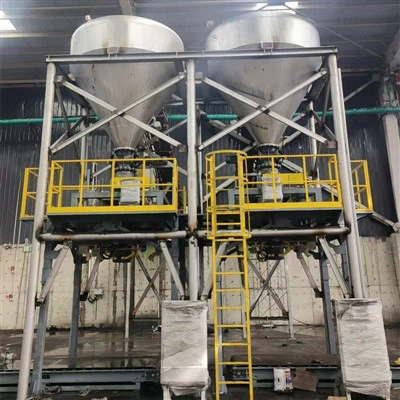
If you’re not sure which dust collector is right for your operation, or if you have questions about upgrading your current system, I’d be happy to chat through your needs. We work with businesses of all sizes, from small home shops to large industrial plants, and we’ll help you find a solution that keeps your space safe, meets all regulatory requirements, and fits your budget.
Hot Air Furnaces References
Occupational Safety and Health Administration. (2023). Respiratory Protection for Particulate Matter.
National Fire Protection Association. (2022). Standard for Dust Collection Systems.
Woodworking Machinery Industry Association. (2021). Best Practices for Dust Collection in Wood Shops.
U.S. Energy Information Administration. (2023). Average Residential Electricity Prices.
Jiangsu Haike Environmental Tech Co., Ltd.
As one of the most professional dust collectors manufacturers and suppliers in China, we’re featured by quality products and good service. Please rest assured to wholesale customized dust collectors at competitive price from our factory. Contact us for quotation.
Address: No.1, Wei’er Branch Road, Shanggang Industrial Park, Jianhu County, Yancheng City, Jiangsu Province, China
E-mail: 17388487000@163.com
WebSite: https://www.jshkhbwm.com/
