When I started my LED spotlight supply business five years ago, I’ll admit I went into it with a basic understanding that LEDs were “better” than old bulbs. But over time, as I’ve worked with contractors, interior designers, and even some city planners, I’ve dug into the real environmental tradeoffs—beyond the marketing buzzwords. Today, half my calls are from people asking if LEDs are actually good for the planet, or if they’re just another overhyped tech that’s creating new problems. As someone who sells these fixtures directly, I want to break this down plainly: no jargon, no corporate spin, just what I’ve learned from testing products, watching clients install them, and following the data. LED Spotlight
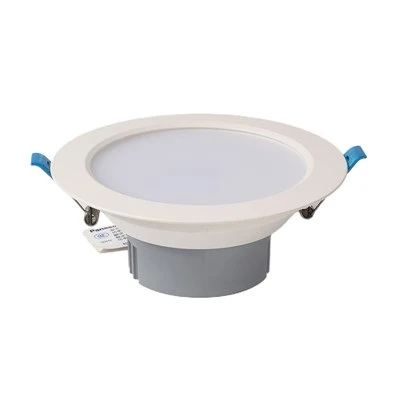
Let’s start with the biggest, most obvious environmental win: energy use. Traditional incandescent spotlights waste 90% of their energy as heat—turning on a 50-watt incandescent is like sticking a tiny space heater in the wall, most of which is just warming up your utility bill. Halogen spotlights aren’t much better, they’re about 25% efficient, so 75% of their energy still escapes as heat. LEDs? A standard LED spotlight converts around 80-90% of electricity into light, with only 10-20% lost as heat. The math here isn’t rocket science: if you replace a 50-watt halogen with a 10-watt LED, you’re using 80% less electricity for the same amount of light.
I’ve seen this add up in real life. A local café I supply switched all their display case spotlights to LEDs three years ago, and their monthly electric bill for that section dropped by $47. Multiply that by a small business with 20 fixtures, or a office building with 200, and the energy savings translate directly to less fossil fuel burned at power plants. Most grid electricity still comes from coal, natural gas, or even oil—so less energy use means fewer greenhouse gas emissions. The U.S. Department of Energy says that if every U.S. home switched one set of standard bulbs to LEDs, we’d cut carbon emissions by the equivalent of taking 800,000 cars off the road each year. That’s not a marketing number; that’s real climate impact.
But wait, nothing is perfect, and LEDs have their own environmental downsides. First, there’s the matter of light pollution. A lot of people don’t realize that LED spotlights are often too directional, and if they’re not installed properly, they blast light straight up into the sky instead of focusing on the intended surface. I had a customer a year back who installed new LED spotlights in their backyard to light up their patio, and their next-door neighbor complained that their bedroom window was glowing like a streetlight. LED light is also blue-rich, which means it scatters more in the atmosphere than the warm yellow light of old incandescents or halogens. This bright, upward-going light messes with nocturnal animals—birds migrating at night get confused by the glow, sea turtles that rely on dark beaches to nest mistake beachfront LED light for moonlight, and even insects, which are the base of so many food chains, get drawn in by bright LEDs and die in droves.
Another big point: e-waste. LEDs use a mix of metals, including aluminum, copper, lead, mercury, and rare earth elements like indium and gallium. Unlike incandescents, which are mostly glass and metal, or even halogens, which have minimal toxic materials, LEDs can leach heavy metals if they end up in a landfill. A broken LED spotlight left in a dump can seep lead into groundwater over time, which is a problem for soil and local water supplies. I’ve seen some competitors cut corners by selling cheap, low-quality LEDs that break within a year—those end up in the trash fast, while my customers pay a little more for fixtures designed to last 50,000 hours, so they don’t need replacement as often. But even good LEDs eventually reach the end of their life, and not everyone has access to proper recycling. Most curbside recycling programs don’t take small electronics like LED spotlights, so a lot of them end up in regular trash, leading to that e-waste issue.
Then there’s the manufacturing side. Making an LED spotlight requires mining those rare earth elements, which comes with its own environmental costs. Mining for indium, for example, often causes soil erosion and water pollution, and the processing of these metals uses a lot of energy too. Compare that to incandescents, which are made of basic glass and tungsten, or even halogens, which use smaller amounts of materials. But here’s the catch: that upfront manufacturing impact is way offset by the long lifespan of LEDs. Studies from the University of California, Santa Cruz, found that the total carbon footprint of an LED spotlight over its entire life (manufacturing, use, disposal) is about 1/3 that of a halogen spotlight over the same period. Because even though making an LED is a bit more energy-heavy, you only have to make one LED for every five halogens that you’d need to replace over the same 10-year window.
I’ve also noticed a common myth that LEDs are all the same. That’s not true. I test every batch of spotlights I get for color consistency and heat output, because cheap LEDs can have shorter lifespans and higher energy waste. A poorly made LED spotlight might only last 10,000 hours instead of 50,000, which means you’re replacing it five times as often, and the total environmental cost of manufacturing five fixtures is way higher than one good LED. I once had a customer who bought $10 LED spotlights from a big-box store that burned out in 18 months—he ended up spending more on replacements and had to dispose of 12 fixtures in two years, versus my customers who get 5-7 years out of a single fixture.
Another underdiscussed point: heat-related environmental impacts. Wait, earlier I said LEDs produce less heat, and that’s true for the light they emit, but wait—wait, no, let’s clarify that. When we’re talking about the environment inside a building, less heat means lower load on air conditioning. In commercial spaces like grocery stores, which have display cases that run 24/7, halogens add so much heat that the AC has to work extra hard to keep the store cool. Switching to LEDs cuts that AC load by 10-15% in some cases, which translates to even more energy savings and lower emissions. That’s a huge win for urban areas, where AC is a major contributor to summer peak energy use. For residential spaces, especially in warm climates, less heat from spotlights means your AC isn’t running as much, which is another indirect environmental benefit.
But we can’t ignore the light pollution problem, and that’s something I’ve started addressing with my business. I now only sell LEDs with adjustable beam angles and warm color temperatures (2700K or 3000K, not the harsh 5000K+ that’s common in cheap fixtures) and that are designed to be “dark sky compliant.” Dark sky fixtures block light from going upward, so all the light goes exactly where it’s needed, not into the atmosphere. I also include free installation tips with every bulk order—like how to angle spotlights to avoid shining into windows, or using dimmers to cut back on light when it’s not needed. I had a client who runs a small retail shop downtown, and after switching to my dark sky-compliant LEDs, their local bird conservation group thanked them—they’d noticed fewer migratory birds getting disoriented at night. That’s the kind of impact I care about, not just kilowatt hours.
Now, what about the future? I’m part of a small group of LED suppliers working on take-back programs for old fixtures. We partner with local e-waste recyclers to offer free drop-offs for any LED spotlight, no matter where it was bought, so we can process the metals and rare earth elements instead of letting them leach in landfills. We’re also testing new fixtures that use less toxic materials, replacing some heavy metals with recycled aluminum and plastic from post-consumer waste. It’s not perfect, but it’s a start.
At the end of the day, LED spotlights are a step forward for the environment, but they’re not a silver bullet. Their real impact depends on how they’re made, used, and disposed of. As a supplier, I don’t just sell fixtures— I work with clients to pick the right product for their needs, whether that’s a residential outdoor spotlight, a commercial display case fixture, or something for a restaurant. I ask questions about how they’ll use the lights, how long they want them to last, and how they’ll handle old fixtures, because that’s what matters most for the environment.
If you’re looking to switch to LEDs, or you have questions about how to do it in the most eco-friendly way, I’m here to chat. Whether you’re a homeowner needing a few spotlights, or a business owner planning a full lighting upgrade, I can help you find the right fixtures that balance energy savings, low environmental impact, and functionality. Let’s talk about your project, no pressure—just honest advice from someone who’s been in this game for years.
Fixed Luminaires References
- U.S. Department of Energy. (2023). LED Lighting Technology and Market Trends.
- University of California, Santa Cruz. (2021). Life Cycle Assessment of Residential Lighting Technologies.
- International Dark-Sky Association. (2022). Light Pollution Impacts on Nocturnal Ecosystems.
- Environmental Protection Agency. (2022). E-Waste Management and Hazardous Material Leaching from Consumer Electronics.
Debesen (Shanghai) Optoelectronics Technology Co., Ltd.
We are one of the most professional led spotlight manufacturers and suppliers in China, featured by quality products and good service. Please rest assured to wholesale advanced led spotlight in stock here and get quotation from our factory. We also accept customized orders.
Address: No.258 Xiucheng Road, Fengcheng Town Economic Development Zone, Fengxian District, Shanghai
E-mail: Debesen258wendy@163.com
WebSite: https://www.debesen.com/
