Hey everyone, if you’re in aquaculture, you know how tricky keeping water healthy can be. I’ve been in the polyaluminium chloride (PAC) supply game for 7 years now, and let me tell you—PAC isn’t just some random chemical we sell; it’s a workhorse for so many fish and shrimp farmers out there. A lot of folks I talk to don’t get the full range of ways it helps their ponds, so I wanted to break down the real, science-backed applications that matter most for aquaculture folks like you. Polyaluminium Chloride
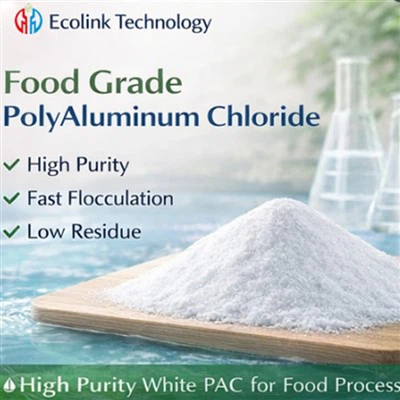
First, let’s start with the basics for anyone who’s new here. PAC is that coagulant we all know—right, the stuff that binds tiny particles together so they sink to the bottom? But in aquaculture, it’s not just about clearing murky water (though that’s a big one, let’s be real). Let’s dive into the first key use: removing suspended solids and turbidity. I remember a shrimp farmer I worked with last year, his pond was so turbid he could barely see his shrimp feeding. He tried a few other chemicals, but they either didn’t stick or messed with the pH. PAC, though, targets those super fine silt, algae fragments, and uneaten feed bits that make water look like chocolate milk. How does it work? Those tiny particles usually have negative charges, right? PAC’s aluminum ions flip that to positive, so all those little pieces clump up fast. No more cloudy water that stresses fish—like, tilapia or catfish hate murky water because it blocks their gills, makes it hard to find food, and can hide pathogens. That farmer used our PAC at 15 grams per cubic meter, and his water cleared up in 2 hours. Game changer for him.
Next up, something that’s even more critical: managing organic waste and reducing BOD (Biochemical Oxygen Demand). Wait, what’s BOD for non-chem majors? It’s the amount of oxygen bacteria use to break down dead stuff, and high BOD means your pond is sucking oxygen dry—bad news for your stock. Aquaculture ponds get loaded with uneaten pellets, fish excrement, and dead algae, all of which spike BOD. PAC doesn’t just clump visible solids; it grabs dissolved organic compounds too, like fatty acids and leftover feed nutrients. When those bind to PAC flocs, they sink to the bottom where bottom-dwelling bacteria can break them down slower, instead of rotting in the water column and guzzling oxygen. I had a catfish farm in Arkansas call me last summer, they were losing 10% of their fingerlings a week because oxygen levels were dropping at night. We recommended a split dose: 10 g/m³ first, then another 8 g/m³ 3 days later. Their BOD dropped by 28% in a week, and oxygen levels stayed stable through the night. No more fingerling losses—they still use our PAC every 2 weeks now as part of their regular routine.
Then there’s algae control, but not just killing algae—sorting out the good from the bad. A lot of farmers struggle with blue-green algae (cyanobacteria) that produce toxins, which can make fish sick or even kill them. PAC targets the blue-green algae cells specifically because they have a thin cell wall that the PAC floc can penetrate, dragging the whole cell down. And here’s the thing: it doesn’t mess with the beneficial green algae that your stock eats, unlike some algaecides. I worked with a prawn farmer in Thailand who had a blue-green algae bloom that made his prawns stop molting—they were just sitting on the bottom, not growing. He used to use copper-based algaecides, but they hurt the good algae and even left residue in the pond. We gave him a PAC dose of 12 g/m³, and within 3 days, the blue-green algae were gone, and his prawns started molting again. Plus, no toxic residue left, so he could harvest his prawns on schedule without worrying about chemical carryover.
Wait, another big one: removing heavy metals and harmful nutrients. A lot of farm runoff (which ends up in aquaculture ponds) has heavy metals like lead, cadmium, or even copper from old pipes or pesticides. Those metals are toxic to fish and can bioaccumulate, so if your stock is for sale, that’s a huge problem for market compliance. PAC binds to heavy metal ions and forms insoluble flocs that sink right out of the water. Also, it helps with ammonia and phosphate levels—excess phosphate causes algal blooms, and high ammonia is deadly for fish, especially in intensive farms where stocking density is high. I had a salmon net pen operation in Chile that was dealing with phosphate spikes from nearby agriculture runoff. They tried adjusting feeding, but that wasn’t enough. PAC fixed their phosphate levels by 40% within 5 days, and they haven’t had a bloom issue since. Also, for those doing recirculating aquaculture systems (RAS)—you know, the closed-loop farms—PAC is a must because it keeps the water clean without dumping too many chemicals back into the system.
Now, let’s talk about why PAC is better than other coagulents for aquaculture specifically, because I get asked this all the time. A lot of people use alum or ferric chloride, right? But alum drops pH way too much, which can stress fish and mess with the pond’s natural balance. Ferric chloride leaves iron residues that stain fish or equipment. PAC? It has a higher aluminum content, so it works at lower doses, and it’s more pH-stable—works well even if your pond’s pH is between 6 and 8, which is exactly the range most aquaculture species prefer. That means you don’t have to balance pH after dosing, which saves farmers time and money. Also, PAC flocs are denser, so they sink faster—no waiting 6 hours for the water to clear, like you do with alum. That’s a big deal for intensive farms where you can’t afford downtime.
But wait, I can’t leave out the part about dosing right, because too much PAC can be a bad thing. I’ve seen farmers dump twice the recommended dose because they think “more is better,” and that leads to aluminum buildup in the sediment, which can harm bottom-dwelling organisms like shrimp or clams. So here’s the rule of thumb: test your water first—turbidity, BOD, heavy metal levels—and adjust the dose accordingly. For example, if your turbidity is under 10 NTU, use 10-12 g/m³; if it’s over 20 NTU, go 15-18 g/m³. And always do a small test in a corner of the pond first, watch for 24 hours to make sure your fish act normal. I always tell new farmers to start slow, don’t overdo it.
Also, for RAS folks, PAC is super useful for backwashing filters and removing sludge. RAS systems have biofilters that get clogged with organic waste, and PAC helps bind that waste so it’s easier to flush out. I know a small RAS tilapia farm in Ohio that switched from alum to our PAC, and their filter cleaning frequency went from every 2 weeks to every 4 weeks. That cut their labor time in half, which is huge for small operations.
Let me share a quick story that really drives this home. A few months back, a young farmer just starting out with catfish called me, he was panicking because his first pond was turning green with algae, and his fingerlings were dying. He’d never used any water treatment chemicals before, so he was nervous. We walked him through a small test: 10 g/m³ in a 100-gallon bucket first, saw the flocs form, then did a full pond dose. A week later, he sent me a video—his water was clear, no dead fingerlings, and the fish were actively feeding. That’s why I love this job, man. PAC isn’t just a chemical; it’s a tool that lets small farmers compete and not lose their stock.
Now, I know some folks are worried about chemical safety, especially if you’re selling your fish for human consumption. PAC is regulated by most aquaculture bodies (like the FDA in the US, EFSA in Europe) when used at the right doses, so there’s no residual risk if you follow the guidelines. We test every batch of our PAC to make sure it meets those safety standards, so our customers can rest easy knowing their product is safe for people to eat.
Wait, what about different aquaculture types? I’ve covered shrimp, catfish, tilapia, salmon, prawns, but what about shellfish? Oyster and clam farmers, you know how sensitive those filter feeders are. PAC works great here too, because it removes sediment that can clog their gills without harming the shellfish. I had an oyster farm in Louisiana that was dealing with runoff from a nearby construction site, which was clouding the estuary and making the oysters stop feeding. They used PAC at 8 g/m³, and the water cleared up in a day, oysters started feeding again—they even saw a 15% increase in growth that month. That’s the kind of result I love to hear about.
So putting it all together, PAC’s main apps in aquaculture are: clearing turbidity, cutting BOD and organic waste, managing harmful algae (especially cyanobacteria), removing heavy metals and excess nutrients, and even boosting RAS efficiency. And it’s better than most other coagulents because it works at lower doses, doesn’t mess with pH, and is safe when used right.
Now, if you’re a farmer who’s struggling with any of these issues—murky water, low oxygen, algae blooms, waste buildup, heavy metals—let’s chat. I’ve been doing this long enough to know every farm is different, so we can figure out the right dose for your specific pond or system. No one-size-fits-all, and I’m not here to push a random product—I’m here to help your stock thrive. Hit us up to connect and work out a plan that makes sense for your operation.
Polyacrylamide Emulsion References:
- Boyd, C. E. (2021). Water Quality for Aquaculture. Texas A&M University Press.
- Xu, H., et al. (2019). Application of polyaluminium chloride in aquaculture water treatment: A review. Aquacultural Engineering, 106, 102487.
- EFSA Panel on Food Additives and Flavourings (2020). Safety assessment of polyaluminium chloride as a food additive. EFSA Journal, 18(5), 6135.
- Teixeira, M. R., et al. (2018). Coagulation of cyanobacteria by polyaluminium chloride: Efficacy and mechanism. Water Research, 139, 224-233.
Shandong Ecolink Technology Co., Ltd.
Shandong Ecolink Technology Co., Ltd. is one of the most reliable polyaluminium chloride manufacturers and suppliers in China. We warmly welcome you to wholesale bulk high quality polyaluminium chloride from our factory. If you have any enquiry about cooperation, please feel free to email us.
Address: No. 8, Xiaying Chemical Industry Park, Aobu Road, Xiaying Town, Changyi City, Weifang City, Shandong Province,China
E-mail: sale02@ecolink-environment.com
WebSite: https://www.ecolink-environment.com/
