If you’ve ever spent long hours in a warehouse moving pallets of varying lengths—from standard 48” industrial skids to extra-long bundles of steel or oversized construction materials—you know how frustrating it is when your reach forklift’s stock forks fall short. As someone who’s spent over a decade working with reach forklifts, first as a technician and now as part of the team supporting businesses with their material handling needs, I’ve seen this exact scenario play out hundreds of times. Operators will awkwardly balance pallets on the tips of too-short forks, risking load instability, damaged inventory, and even workplace injuries. That’s why extending reach forklift forks isn’t just a “quick fix”—it’s a solution that requires careful attention to engineering, safety standards, and your specific operational needs. Today, I’m breaking down everything you need to know to extend your reach forklift forks correctly, from the right way to choose extensions to critical safety checks that can’t be skipped. Reach Forklift
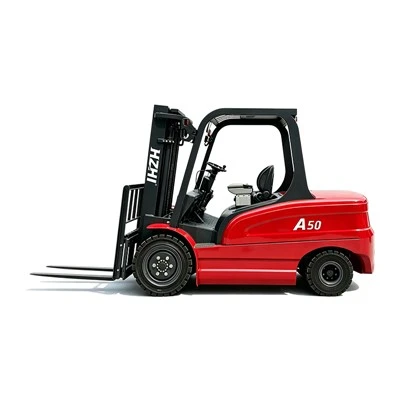
First, let’s get one thing clear: extending reach forklift forks isn’t the same as modifying forks on a sit-down counterbalance forklift. Reach forklifts are designed for narrow-aisle operation, with a telescopic mast that lets them extend loads forward without tipping the truck. Their forks are mounted on a slide carriage that moves independently of the mast, which means any extension you add has to work with that specific telescopic design—something many DIY guides fail to mention. I’ve seen warehouse managers try to bolt on generic fork extensions, only to find they catch on the narrow aisle racking or throw off the forklift’s load capacity when the mast extends. That’s not just a hassle; it’s a major safety risk.
So, where do you start? The first step is to audit your exact operational needs, not just “I need longer forks.” Ask yourself: What’s the maximum length of pallet or load I regularly handle? How often do I need to extend the load beyond the forks’ stock length? Will I be operating in narrow aisles (under 10 feet wide, standard for reach trucks) or wider spaces? The answers to these questions will narrow down the right type of fork extension for your reach truck. There are two main categories of fork extensions for reach forklifts, and choosing the wrong one can create more problems than it solves.
The first category is fixed-length fork extensions. These are the most common for operations that have a consistent load length—say, you’re moving 72” pallets every day, and your stock forks are only 48” long. Fixed extensions bolt directly to the base of your existing forks, and they come in standard lengths: 60”, 72”, 84”, etc. But here’s a key point for reach forklifts specifically: fixed extensions must be matched to your forklift’s load capacity. For example, a 3,000 lb capacity reach forklift with 48” forks can only handle a certain weight when using a 72” extension. Extending the forks shifts the load’s center of gravity forward, which reduces the forklift’s lifting capacity at full reach. I always recommend calculating your new capacity before buying fixed extensions: take your forklift’s rated capacity, subtract 10% for every 12 inches of extension beyond the stock fork length. That’s a rough rule of thumb, but it’s a safe starting point.
The second category is telescopic fork extensions. These are the better choice for operations that handle varying load lengths—one day a 48” pallet, the next a 96” long metal beam. Telescopic extensions slide to adjust length, and many lock in place with a pin or hydraulic system. The upside? You don’t need separate forks for different loads. The downside? They’re more expensive, and you have to make sure they’re compatible with your reach forklift’s carriage. Some cheap telescopic extensions for counterbalance trucks are too bulky to fit in narrow aisles, or they get stuck when the mast extends forward. When I work with a new customer, I first check their reach truck’s model number to confirm the carriage width and slide mechanism—if their reach truck is a standard sit-down model, most telescopic extensions work, but if it’s a very narrow aisle (VNA) model, you need low-profile telescopic extensions that don’t protrude too far sideways.
Once you’ve chosen the right type of extension, the next part is installation—this is where most mistakes happen, even with the right product. Let’s walk through the correct installation process, based on OSHA standards and our team’s hands-on experience with thousands of reach forklifts. First, before you even touch the forks, turn off the forklift, engage the parking brake, and lower the forks all the way to the ground. Never work on a forklift that’s powered on—reach trucks have hydraulic systems that can activate unexpectedly, and that’s a serious hazard. Next, inspect your existing forks for damage: look for cracks at the base (where the extension will attach), bent tines, or worn load backrests. If your stock forks have any of these issues, replacing them is a better first step than adding extensions. Worn forks can’t safely support extended loads, no matter how good the extension is.
Now, if your forks are in good shape, you’re ready to attach the extension. For fixed extensions, the process is straightforward: line up the extension’s mounting holes with the holes on the base of each fork, then use high-strength steel bolts (never regular bolts—they can snap under load) and lock washers to secure them. Tighten the bolts evenly, alternating between the left and right forks to prevent warping, and use a torque wrench to get the exact tightness recommended by the extension manufacturer. For telescopic extensions, the process is similar, but you’ll need to make sure the locking pins are fully engaged before you lift anything. Many operators skip this step, and I’ve heard too many stories about telescopic extensions sliding forward mid-lift because the pin wasn’t locked. That’s a disaster waiting to happen—an extended load falling off a reach truck at 20 feet up can kill someone.
Wait a second—what about load backrests? That’s a part of the installation almost no one talks about, but it’s critical for reach forklifts. When you add fork extensions, the load backrest on your stock forks will be too short to support the extended load. If you’re moving a 72” pallet, and your forks are extended to 60”, the load backrest only covers 48”, so the top of the pallet can slide backward off the forks. The solution? You need an extension for the load backrest, too. These bolt onto the top of your existing backrest, matching the length of your fork extensions. Some fixed extensions come with matching backrest extensions, but if you’re using telescopic forks, you’ll need an adjustable backrest extension that slides to match the fork length. I always tell customers: a fork extension is useless if you don’t have a load backrest that covers the entire load. No amount of perfect installation will make up for that.
Now that you’ve installed the extensions, there’s one more step before putting the forklift back to work: a load test. This is non-negotiable, especially for reach forklifts. Don’t take the manufacturer’s word for capacity—test it yourself in a safe, empty part of the warehouse. Load the forks with a weight that’s 80% of the rated capacity (leave 20% as a safety buffer) and lift the mast to half its maximum height. Then, extend the mast all the way forward (the maximum reach of your forklift) and hold it there for 10 seconds. Watch for any wobbling, bending in the forks, or unusual noise. If everything feels stable, lower the mast all the way and drive forward 20 feet to make sure the extensions don’t catch on the floor or any obstacles. If you notice any issues, stop immediately—don’t use the forklift until you fix it.
Over the years, I’ve seen too many warehouses try to save money by cutting corners on fork extensions. They buy generic extensions online, skip the load test, or forget about the load backrest, and end up paying for it with damaged inventory, OSHA fines, or even workplace incidents. Last year, we worked with a small manufacturing company that had installed a set of cheap fixed extensions on their reach truck. They didn’t check the capacity, and when they tried to lift a full pallet of steel, the bolts holding the extensions to the forks snapped. The load fell, damaging a $10,000 pallet of parts and putting an operator in the hospital with a broken arm. That’s why we always emphasize that fork extensions aren’t a one-size-fits-all product—they need to be engineered for your specific reach forklift model and your operational needs.
Another common mistake I see: modifying the forks themselves to make them longer, instead of using aftermarket extensions. Some operators will weld extra metal onto the tips of their stock forks, thinking that’s cheaper than buying extensions. But welding forks is a huge safety risk—forks are made of specific grade steel (usually high-tensile steel) designed to bend slightly under load, not to be modified with welding. Welding changes the steel’s composition, making it brittle, and it can cause hidden cracks that will lead to failure. OSHA strictly prohibits modifying forklift forks without the manufacturer’s approval, and welding forks without that approval is a violation that can result in fines or liability if an accident happens. So, skip the welding—use approved aftermarket extensions designed for reach forklifts.
If you’re at the point where you’re thinking, “This all seems complicated—how do I make sure I’m doing this right?” That’s exactly what our team is here for. We don’t just sell fork extensions; we work with operators and warehouse managers to audit their specific needs, recommend the right type and length of extension, and even help with installation if needed. Whether you need fixed extensions for consistent loads, telescopic extensions for flexible operations, or matching load backrests, we make sure every product is compatible with your reach forklift model and meets all safety standards.
I also want to touch on maintenance, because extended forks need regular checks to stay safe. Every month, inspect the bolts on fixed extensions to make sure they’re still tight—vibration from daily lifting and driving can loosen them over time. For telescopic extensions, clean the slide mechanisms every two weeks to remove dust, debris, and warehouse floor grime, which can cause the extensions to stick or lock improperly. Check for any bending or cracks on the forks and extensions every quarter—even a small crack can grow into a failure if left unchecked. And don’t forget to re-calibrate your load capacity when you add extensions; update your forklift’s load chart to reflect the new capacity at full reach, so operators know exactly how much they can lift safely.
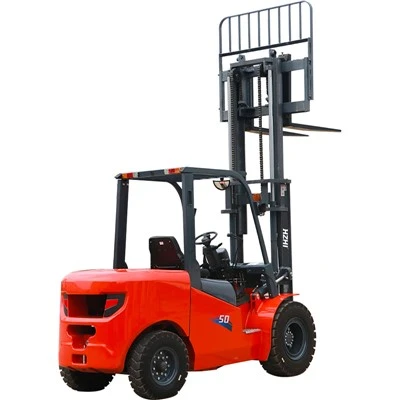
At the end of the day, extending reach forklift forks is a smart way to improve your warehouse’s efficiency—no more struggling to fit oversized pallets, no more wasted time rearranging loads to fit short forks. But it’s not a task to take lightly. It requires understanding your equipment, choosing the right products, installing them correctly, and staying on top of maintenance. If you’re ready to upgrade your reach forklift forks to handle longer loads, don’t trust generic products or DIY fixes. Reach out to our team to discuss your needs, and we’ll help you find the perfect solution that keeps your operations running smoothly and safely.
Shelf Reference:
- Occupational Safety and Health Administration (OSHA). Forklift Safety Standards: Powered Industrial Trucks. 29 CFR Part 1910.178.
- Material Handling Industry (MHI). Reach Truck Fork Extension Guidelines for Narrow Aisle Operations. 2021.
- Toyota Material Handling. Reach Forklift Load Capacity Calculations for Extended Forks. Technical Bulletin TB-RF-007. 2022.
Huazheng Heavy Industry Machinery Equipment Co., Ltd.
With abundant experience, we are one of the most professional reach forklift manufacturers and suppliers in China. Please feel free to buy high quality reach forklift for sale here from our factory. We also accept customized orders.
Address: Room 423-101, Building C-4, Electronics Valley Technology Center, No.3088 Lekai North Street, Gaokai District, Baoding City, Hebei Province, China
E-mail: sales02@hzheavy.com
WebSite: https://www.hzheavy.com/
