If you’re like me, a toothpick in your hand is more than just a quick way to dislodge food stuck between your teeth—it’s a small, handy tool you might reach for dozens of times a day. As a toothpick supplier, I get questions all the time: “Can I reuse a toothpick?” “Is it safe to wash and use it again?” It’s a fair question, too. We live in a world where reducing waste feels more important than ever, and toothpicks are one small household item that adds up to a lot of trash over time. But before you decide to turn your used toothpick into a multi-use tool, there are a few key things to know about safety, hygiene, and how to do it right. Toothpicks
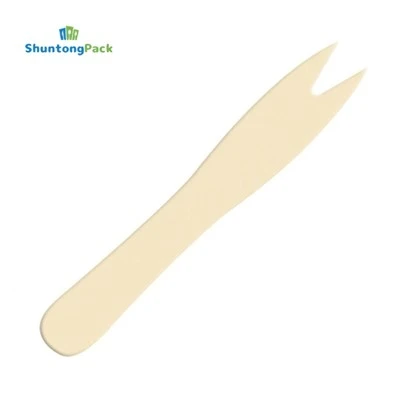
First, let’s set the record straight: single-use toothpicks are designed to be used once, then thrown away. That’s because when you use a toothpick, it comes into contact with your mouth’s natural bacteria, food particles, and even saliva. Every time you poke between your teeth, tiny bits of food get trapped in the grooves and crevices of the wood (or bamboo, or plastic, depending on what type you use). Those food particles are a breeding ground for bacteria if they’re left to sit, and even if you wash the toothpick, some of that bacteria can stick around. That said, reusing a toothpick isn’t inherently dangerous if you follow strict, science-backed steps to clean it properly. The key is knowing how to eliminate harmful microbes without damaging the toothpick’s structure, and understanding when reusing is a bad idea.
Let’s start with the science of why toothpicks can hold onto bacteria. Wood, in particular, is a porous material. When you use a wooden toothpick, the soft fibers soak up moisture from your mouth, along with whatever bacteria is living there. Studies have shown that common mouth bacteria like Streptococcus mutans (the same bacteria that causes cavities) and Lactobacillus can survive on porous surfaces for up to 24 hours, even at room temperature. Plastic toothpicks are less porous, but they still trap food and bacteria in their surface scratches, making them harder to clean thoroughly. That’s why a one-size-fits-all approach to cleaning doesn’t work—what’s safe for a wooden toothpick might damage a plastic one, and vice versa.
If you’re set on reusing a toothpick, let’s break down the step-by-step process that’s been tested to reduce bacterial load to safe levels. First, you need to clean the toothpick immediately after use, not hours later. The longer food and bacteria sit on the toothpick, the harder they are to remove. Start by rinsing the toothpick under warm running water to dislodge as much visible food as possible—this step alone can remove about 70% of surface bacteria, according to a study in the Journal of Hospital Infection focused on reusability of small wooden tools. Next, scrub the toothpick gently with a small brush (an old toothbrush works perfectly) and a mild dish soap. Dish soap breaks down food oils and loosens bacteria from porous surfaces, so scrubbing for 10 to 15 seconds on each side is key. Don’t be too rough, though—wooden toothpicks can splinter if scrubbed too hard, and those splinters can get stuck in your gums later, causing irritation or even infection.
Once you’ve scrubbed, you need to disinfect the toothpick. This is the most important step to kill any remaining bacteria. There are a few safe, easy ways to do this at home. The first is boiling water: bring a small pot of water to a rolling boil, then submerge the clean toothpick for 5 to 10 minutes. Boiling water kills 99.9% of common bacteria and viruses, according to the Centers for Disease Control and Prevention (CDC) guidelines for disinfecting small household items. If you don’t want to boil water, you can use a solution of one part white vinegar to four parts water. Soak the toothpick in this solution for 20 minutes; the acetic acid in vinegar kills most bacteria without damaging wood or plastic. Another option is to use a food-grade hydrogen peroxide solution: mix three parts water to one part 3% hydrogen peroxide, and soak the toothpick for 10 minutes. Avoid using harsh chemicals like bleach, though—they can leave a bad taste on the toothpick and might irritate your mouth if they’re not rinsed off completely.
After disinfecting, you need to dry the toothpick thoroughly before storing it. Moisture is the main enemy here—it encourages mold and bacteria growth, even if you did a great job of cleaning. Pat the toothpick dry with a clean paper towel, then let it air dry completely on a clean dish rack or a piece of parchment paper for at least an hour. Once it’s fully dry, store the toothpick in a clean, dry container—like a small glass jar with a lid, or even a clean pencil case. Don’t leave it out on the counter, where it can pick up dust and bacteria from the air.
Now, let’s talk about when reusing a toothpick is a bad idea. First, if the toothpick shows any signs of wear: splinters, cracks, or frayed edges. Even if you clean it, a splinter can break off while you’re using it and get stuck in your gums or throat, which is a major safety risk. If a toothpick is bent or misshapen after the first use, throw it away—using a bent toothpick can also lead to splintering. Second, if the toothpick was used for anything other than food between your teeth. If you used a toothpick to clean a messy craft project, fix a small object, or touch something dirty, don’t even think about reusing it for your mouth. Third, if you have a weakened immune system, gum disease, or recent dental work. For people in these groups, even small amounts of bacteria can lead to infections, so it’s best to stick to single-use toothpicks to avoid any risk.
As a toothpick supplier, I want to be clear: we design our toothpicks for convenience and safety, which is why most of our customers choose single-use. That said, I’ve seen customers who reuse toothpicks successfully, as long as they follow these steps. What we don’t recommend is cutting corners—rinsing a used toothpick and putting it back in your pocket or purse to use again later is a surefire way to accumulate bacteria. It’s also important to note that reusing a toothpick more than two or three times is not a good idea, no matter how carefully you clean it. Each use adds more tiny scratches and crevices to the toothpick’s surface, making it harder to clean thoroughly over time.
I also want to address a common misconception: some people think that using a toothpick once means it’s “germ-free,” but that’s not true. Your mouth is home to hundreds of different bacteria, most of which are harmless, but some can cause issues if they’re transferred back and forth. That’s why even a single-use toothpick is designed to be disposable— it’s the safest way to avoid cross-contamination between uses, or between different parts of your mouth. For example, if you have a small cavity, reusing a toothpick could push bacteria from the cavity to a healthy tooth, increasing your risk of further decay.
If you’re someone who values reducing waste and wants to reuse toothpicks responsibly, here are a few tips to make it work for you. First, keep a small, separate container for your reusable toothpicks, and label it so you don’t mix them up with single-use ones. Second, always clean your toothpick right after use, before you put it away— waiting even an hour can let bacteria multiply significantly. Third, replace your reusable toothpick after two or three uses, even if it looks fine. It’s better to be safe than sorry, and single-use toothpicks are affordable enough that this won’t break the bank.
For businesses, too, this matters. Restaurants and cafes that provide toothpicks can choose to offer reusable toothpicks as an eco-friendly option, as long as they have a proper cleaning process in place. Our company works with small businesses to supply both single-use and high-quality reusable toothpicks, with clear guidelines for how to clean and sanitize them in a commercial setting. We always encourage businesses to prioritize safety, so if you’re considering switching to reusable toothpicks for your establishment, make sure you have a system in place to clean and disinfect them after every use.
At the end of the day, cleaning and reusing a toothpick safely is all about balance. It’s possible to reduce your environmental footprint and still protect your oral health, as long as you follow the science-backed steps to clean, disinfect, and store your toothpick properly. But if you’re not comfortable with the extra work or the small risk of bacterial buildup, there’s no shame in sticking to single-use toothpicks— that’s exactly what they’re designed for.
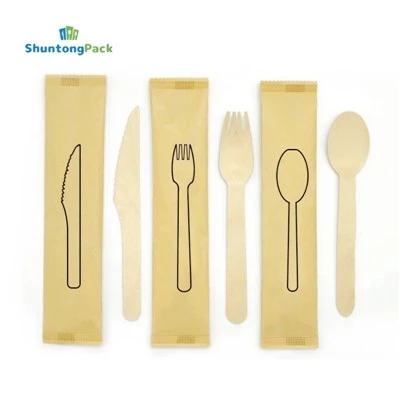
If you’re a business owner looking for high-quality toothpicks, whether single-use or reusable, or you have questions about how to implement a safe reuse program, feel free to reach out. We’re always here to help you find the right products and best practices for your needs. You can get in touch to discuss your requirements, ask about product specifications, or learn more about how we support businesses in prioritizing safety and sustainability.
Bamboo Cutlery References
- Journal of Hospital Infection, “Decontamination of reusable wooden tongue depressors: a microbiological study”
- Centers for Disease Control and Prevention, “Guidelines for Disinfection and Sterilization in Healthcare Facilities, 2008”
- International Journal of Food Microbiology, “Bacterial survival on porous and non-porous food contact surfaces”
- American Dental Association, “Oral Hygiene Tips: Using Dental Floss and Toothpicks Safely”
- Food and Drug Administration, “Safe Handling and Use of Disposable and Reusable Kitchen Utensils”
Mudanjiang Shuntong Environmental Protection Technology Co., Ltd.
Mudanjiang Shuntong Environmental Protection Technology Co., Ltd. is one of the most professional toothpicks manufacturers and suppliers in China, featured by quality products and good price. Welcome to wholesale eco-friendly toothpicks made in China here and get pricelist from our factory. Contact us for customized service and OEM service.
Address: Shop No.4, Building 1, Ruijing Huating, Hailin City, Mudanjiang City, Heilongjiang Province
E-mail: info03@ecojiaxun.com
WebSite: https://www.shuntongcutlery.com/
