As a supplier of battery testing equipment, I’ve witnessed firsthand how crucial accurate testing is for assessing battery performance. In this blog, I’ll delve into the ways our battery testing equipment impacts battery performance assessment, highlighting its significance in various industries. Battery Testing Equipment

Understanding Battery Performance Assessment
Before we explore the role of our testing equipment, let’s briefly understand what battery performance assessment entails. Battery performance is evaluated based on multiple parameters, including capacity, voltage, internal resistance, charge – discharge efficiency, and cycle life. These metrics are vital as they determine the battery’s suitability for different applications, be it in consumer electronics, electric vehicles, or renewable energy storage.
Capacity is a measure of the total amount of energy a battery can store, usually expressed in ampere – hours (Ah) or watt – hours (Wh). Voltage indicates the electrical potential difference between the battery’s terminals, providing an understanding of its power output. Internal resistance affects the battery’s ability to deliver current efficiently; a high internal resistance can lead to energy loss and reduced performance. Charge – discharge efficiency shows how effectively a battery can convert and store energy during charging and release it during discharging. Cycle life refers to the number of charge – discharge cycles a battery can undergo before its capacity drops to a certain level, typically 80% of its initial capacity.
The Role of Battery Testing Equipment in Performance Assessment
Accurate Measurement of Parameters
Our battery testing equipment is designed to provide highly accurate measurements of the key performance parameters. For capacity testing, the equipment can precisely control the charge – discharge process, ensuring that the battery is charged and discharged under specific conditions as per industry standards. This allows for an accurate determination of the actual capacity, which may differ from the rated capacity due to factors such as manufacturing variations and aging.
When it comes to voltage measurement, our testers can detect even the slightest voltage fluctuations. This is important because abnormal voltage changes can indicate issues such as overcharging, over – discharging, or internal short – circuits. By continuously monitoring the voltage during charge and discharge cycles, we can identify potential problems early and prevent battery failures.
Internal resistance measurement is another area where our equipment excels. Using advanced techniques, we can measure the internal resistance with high precision. A change in internal resistance can be an early sign of battery degradation. For example, as a battery ages, its internal resistance typically increases, leading to reduced power output and efficiency. By monitoring the internal resistance regularly, we can predict the remaining useful life of the battery.
Simulation of Real – World Conditions
Batteries are used in a wide range of environments and applications, each with its own set of operating conditions. Our battery testing equipment can simulate these real – world conditions to assess how the battery performs under stress. For instance, in electric vehicles, batteries are exposed to varying temperatures, rapid charge – discharge cycles, and high – power demands. Our testers can replicate these conditions, allowing us to evaluate the battery’s performance and durability in an automotive setting.
In the case of renewable energy storage systems, batteries may need to withstand long – term storage, intermittent charging, and deep – discharge cycles. Our testing equipment can mimic these conditions to determine the battery’s ability to meet the requirements of energy storage applications. By simulating real – world scenarios, we ensure that the batteries are tested comprehensively, and any potential performance issues are identified before they cause problems in actual use.
Data Analysis and Reporting
Modern battery testing equipment is equipped with advanced data analysis capabilities. Our testers collect a vast amount of data during the testing process, including voltage, current, temperature, and time. This data is then analyzed to generate detailed reports that provide insights into the battery’s performance.
The data analysis tools can identify trends, such as changes in capacity over multiple charge – discharge cycles or variations in internal resistance with temperature. These trends are crucial for understanding the battery’s behavior and predicting its future performance. The detailed reports we generate can be used by manufacturers, researchers, and end – users to make informed decisions about the battery, such as whether to continue using it, perform maintenance, or replace it.
Impact on Different Industries
Consumer Electronics
In the consumer electronics industry, battery performance is a critical factor in the user experience. Smartphones, laptops, and tablets rely on batteries to provide reliable power. Our battery testing equipment helps manufacturers ensure that their products meet the high – performance standards expected by consumers.
By accurately assessing battery capacity, charge – discharge efficiency, and cycle life, manufacturers can optimize the battery design and usage, reducing the risk of premature battery failure. For example, if a smartphone battery is found to have a low charge – discharge efficiency, the manufacturer can adjust the charging algorithm to improve it. This not only enhances the user experience but also reduces the environmental impact by extending the battery’s lifespan.
Electric Vehicles
The electric vehicle (EV) industry is rapidly growing, and battery performance is a key determinant of the success of EVs. Our battery testing equipment plays a vital role in this industry by ensuring the safety, reliability, and performance of EV batteries.
Accurate capacity and internal resistance measurements are crucial for determining the driving range of an EV. By simulating real – world driving conditions, we can assess how the battery performs under different loads and temperatures, helping manufacturers develop more efficient battery management systems. Additionally, cycle life testing is essential for predicting the long – term durability of EV batteries, which is a major concern for consumers.
Renewable Energy Storage
Renewable energy sources such as solar and wind are intermittent, and energy storage is necessary to ensure a stable power supply. Batteries are a popular choice for energy storage in renewable energy systems. Our battery testing equipment helps in evaluating the performance of these batteries under the unique operating conditions of renewable energy storage.
By simulating the intermittent charging and deep – discharge cycles typical in renewable energy applications, we can assess the battery’s ability to store and release energy efficiently. This information is crucial for system designers to select the most suitable batteries and optimize the energy storage system for maximum performance and reliability.
Conclusion
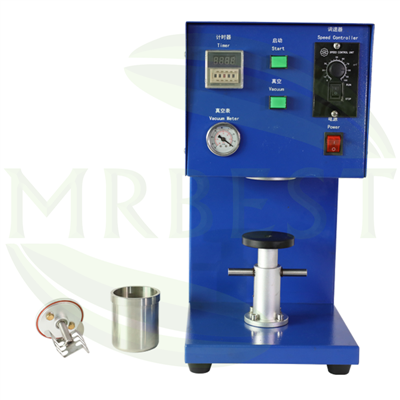
In conclusion, battery testing equipment is indispensable for accurate battery performance assessment. Our equipment provides precise measurements of key parameters, simulates real – world conditions, and offers in – depth data analysis. This not only helps in understanding the current performance of batteries but also in predicting their future behavior.
Prismatic Cell Assembly Whether you are a battery manufacturer looking to improve product quality, an electric vehicle company aiming for better battery performance, or a renewable energy provider in need of reliable energy storage solutions, our battery testing equipment can meet your needs. If you are interested in learning more about our products and how they can benefit your business, please feel free to reach out to us for a procurement discussion. We are committed to providing you with the best battery testing solutions to ensure the success of your projects.
References
- Linden, D., & Reddy, T. B. (2002). Handbook of Batteries. McGraw – Hill.
- Tarascon, J. M., & Armand, M. (2001). Issues and challenges facing rechargeable lithium batteries. Nature, 414(6861), 359 – 367.
- Jian, Z., Hewson, S. A., & Colclasure, A. (2018). Battery Management Systems: State – of – the – Art. Woodhead Publishing.
Shenzhen Meirui Zhida Technology Co., Ltd.
Shenzhen Meirui Zhida Technology Co., Ltd. is one of the most professional battery testing equipment manufacturers and suppliers in China, specialized in providing high quality products with low price. If you’re going to buy bulk discount battery testing equipment made in China, welcome to get pricelist and quotation from our factory.
Address: 104 Building 6, Second Industrial Zone, Shanmen Community, Yanluo Street, Baoan District, Shenzhen China
E-mail: mrbest@szmrbest.com
WebSite: https://www.szmrbest.com/
