Maintaining a hot water storage tank for a boiler is crucial for ensuring its efficiency, longevity, and your home’s comfort. As a hot water boiler supplier, I’ve seen firsthand the impact that proper maintenance can have on these systems. In this post, I’ll share some key tips on how to maintain a hot water storage tank for a boiler. Hot Water Boiler
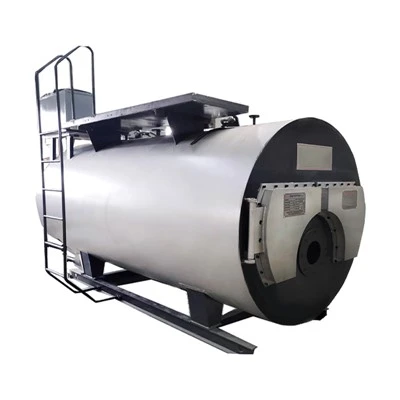
Understanding the Basics of a Hot Water Storage Tank
Before delving into maintenance, it’s essential to understand the basic components of a hot water storage tank. A typical tank consists of an insulated steel container where water is heated and stored. It has an inlet for cold water, an outlet for hot water, a heating element (either electric or gas – fired), a pressure – relief valve, a temperature – pressure gauge, and a drain valve.
The function of the tank is to store hot water at a set temperature. Cold water enters the tank and is heated by the heating source. Once heated, it remains in the tank until it is drawn out for use in faucets, showers, and appliances like dishwashers and washing machines.
Regular Inspections
Regular inspections are the foundation of good hot water storage tank maintenance. These inspections can help you detect potential problems early, preventing costly repairs and ensuring the safety of your system.
- Visual Inspection
- Check the exterior of the tank for signs of corrosion, leaks, or damage. Corrosion can weaken the tank’s structure and lead to leaks over time. Small leaks may start as drips and can be addressed before they turn into major problems. Look for water stains on the floor around the tank, which could indicate a leak.
- Inspect the pipes connected to the tank. Make sure there are no kinks, cracks, or loose connections. Loose connections can cause water to leak and may also affect the pressure and flow of water in the system.
- Pressure and Temperature Checks
- Use the temperature – pressure gauge on the tank to monitor the temperature and pressure regularly. The ideal temperature for most hot water storage tanks is between 120°F and 140°F. Temperatures above 140°F can increase the risk of scalding, while temperatures below 120°F may not kill bacteria like Legionella.
- The pressure in the tank should be within the recommended range specified by the manufacturer. If the pressure is too high or too low, it can put stress on the tank and its components, potentially leading to failure.
Flushing the Tank
Over time, sediment can build up at the bottom of the hot water storage tank. This sediment is usually made up of minerals like calcium and magnesium that are present in the water. Sediment buildup can cause several problems:
- Reduced Efficiency
- The sediment acts as an insulator between the heating element and the water. This means that the heating element has to work harder to heat the water, which increases energy consumption and can lead to higher utility bills.
- Corrosion
- Sediment can also cause corrosion on the bottom of the tank. The accumulation of sediment can create a moist environment that promotes the growth of rust, which can eventually lead to holes in the tank.
To prevent sediment buildup, it’s recommended to flush the tank at least once a year. Here’s how to do it:
- Turn off the Power
- If you have an electric boiler, switch off the circuit breaker that supplies power to the boiler. If it’s a gas – fired boiler, turn off the gas supply valve. This ensures your safety during the flushing process.
- Turn off the Cold Water Supply
- Locate the valve that controls the cold water supply to the tank and turn it off. This prevents new water from entering the tank during flushing.
- Connect a Hose
- Attach a garden hose to the drain valve at the bottom of the tank. Make sure the other end of the hose is directed to a suitable drain, such as a floor drain or outside.
- Open the Drain Valve
- Slowly open the drain valve to let the water and sediment out. You may need to hold the valve open for a few minutes to allow all the sediment to flush out. You’ll notice that the water is initially cloudy, which indicates the presence of sediment.
- Close the Drain Valve and Restore the Supply
- Once the water runs clear, close the drain valve. Then, turn on the cold water supply to refill the tank. After that, restore the power or gas supply to the boiler.
Maintaining the Pressure – Relief Valve
The pressure – relief valve is a crucial safety component of the hot water storage tank. Its function is to release excess pressure in the tank if it exceeds a safe level. If the valve malfunctions, it can lead to a dangerous situation, such as an explosion.
- Testing the Valve
- You should test the pressure – relief valve at least once a year. To do this, carefully lift the lever on the valve slightly. You should hear water flowing out of the discharge pipe. If no water flows or if the valve doesn’t close properly after you release the lever, it may be faulty and should be replaced.
- Replacement
- If the pressure – relief valve is faulty, it’s important to replace it as soon as possible. You can purchase a replacement valve from a hardware store or contact a professional plumber to do the replacement for you.
Insulating the Tank
Insulating the hot water storage tank can significantly improve its energy efficiency. An insulated tank loses less heat, which means the heating element doesn’t have to work as hard to maintain the water temperature.
- Types of Insulation
- There are several types of insulation available for hot water storage tanks, such as fiberglass blankets and foam jackets. Fiberglass blankets are relatively inexpensive and easy to install. Foam jackets provide better insulation but may be more expensive.
- Installation
- When installing insulation, make sure to follow the manufacturer’s instructions. Wrap the insulation around the tank, leaving the valves and controls accessible. Secure the insulation in place with tape or straps.
Professional Maintenance
While many maintenance tasks can be done by homeowners, it’s also important to have your hot water storage tank inspected and serviced by a professional at least once every few years. A professional plumber or heating technician has the expertise and tools to perform in – depth inspections, identify potential problems that may not be visible to the untrained eye, and make necessary repairs or adjustments.
Conclusion
Maintaining a hot water storage tank for a boiler is not overly complicated but requires regular attention. By following these maintenance tips, you can ensure that your hot water system operates efficiently, safely, and lasts for many years.
LNG Refueling Equipment As a hot water boiler supplier, I’m here to provide you with high – quality boilers and offer advice on their maintenance. If you’re in the market for a new hot water boiler or need more information on how to maintain your current system, I encourage you to reach out to me for a procurement discussion. I can help you choose the right boiler for your needs and provide you with all the support you need to keep it running smoothly.
References
- "Residential Hot Water Systems: Design, Installation, and Maintenance." American Society of Plumbing Engineers.
- "Homeowners’ Guide to Energy Efficiency." U.S. Department of Energy.
- "Hot Water Storage Tanks: A Technical Overview." National Renewable Energy Laboratory.
Xinxiang Huayuan Container Equipment Co., Ltd.
With abundant experience, we are one of the most reliable hot water boiler manufacturers and suppliers in China. We warmly welcome you to buy durable hot water boiler made in China here from our factory. If you have any enquiry about cooperation, please feel free to email us.
Address: No.2, South Road, Industrial Cluster Zone, Genghuang Township, Fengquan District, Xinxiang City, Henan Province
E-mail: cncd527@gmail.com
WebSite: https://www.huayuanequipment.com/
