If you’ve ever worked in construction, you know that choosing the right formwork can make or break a project— it’s the backbone of pouring concrete, shaping structures, and ensuring safety and longevity long after the concrete cures. For years, metal and plastic formwork dominated the market, but lately, I’ve seen a huge shift toward bamboo formwork, and for good reason. As a bamboo formwork supplier with over a decade in the game, I get dozens of questions every week: “Where can I buy bamboo formwork?” It’s a fair question, because not every supplier has mastered the quality, sustainability, and consistency that makes bamboo formwork worth the investment. Today, I’m breaking down exactly where to source high-quality bamboo formwork, what to look for when you shop, and why going straight to a trusted supplier (like mine) is almost always the best call. Bamboo Formwork
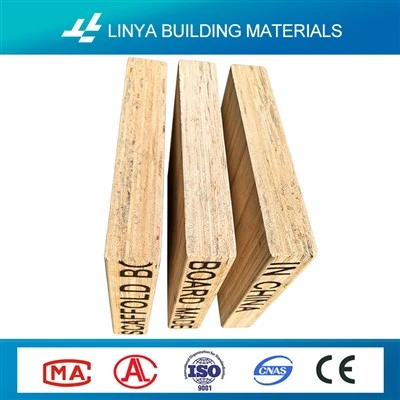
First, let’s talk about why bamboo formwork is even a hot topic these days. If you’re unfamiliar, bamboo formwork is made from processed bamboo stalks, pressed and laminated into panels that are strong enough to hold wet concrete, flexible enough to curve for architectural shapes, and way more eco-friendly than traditional formwork materials. Unlike metal, which takes centuries to decompose and requires massive energy to manufacture, bamboo is one of the fastest-growing plants on Earth— it can reach full maturity in 3 to 5 years, compared to 20 to 50 years for most hardwoods. It’s also recyclable, and when it’s time to replace old bamboo formwork, it can be ground up and turned into compost or new building materials, leaving almost no waste.
But here’s the catch: not all bamboo formwork is created equal. I’ve seen cheap, low-quality batches that warp after just two uses, or splinter so badly that they ruin the finish of concrete walls. That’s why the answer to “where to buy” isn’t just any random online marketplace or local construction supply store— it’s a supplier that knows their stuff, sources bamboo responsibly, and tests their products for durability. Let’s go through the different places you might consider buying, starting with the most common, and I’ll tell you the pros and cons of each.
First up, global online marketplaces. Sites like Alibaba, Amazon Business, or TradeIndia are go-tos for a lot of people, because they offer a huge selection and competitive prices. But here’s the thing: when you’re buying construction materials, price is almost never the only factor. I’ve had customers tell me they bought bamboo formwork from a supplier on one of these platforms for half the market rate, only to receive panels that were made from treated, low-grade bamboo that crumpled under the weight of wet concrete. They ended up having to order twice as much as they needed, lost time on their project, and had to deal with returning damaged goods— which is a nightmare when you’re working on tight deadlines. That said, not all suppliers on these platforms are bad. The key is to look for suppliers that have been in business for years, post clear third-party test reports for their formwork (showing strength, water resistance, and number of reuses), and have good reviews from actual construction professionals, not just random buyers. Even then, I always recommend ordering a small sample batch first before committing to a large order— that way, you can check the thickness, the smoothness of the surface, and how it holds up when you test it with water.
Next, local construction supply distributors. If you’re in North America, Europe, or other parts of the developed world, your local construction supply chain might carry bamboo formwork now. More and more distributors are adding sustainable products to their catalogs to meet demand from builders who want to reduce their project’s carbon footprint. The upside here is that you can see the formwork in person before buying, pick up your order quickly, and have a local contact if you have issues later. The downside? Most local distributors don’t manufacture their own bamboo formwork— they source it from a handful of overseas suppliers, which means they often mark up the price by 20 to 30% to cover their overhead. Also, because they don’t specialize in bamboo, they might not be able to give you detailed advice on how to use the formwork for specific projects— like how to treat it to extend its lifespan, or which type of panel works best for curved vs. straight walls. If you go this route, ask your distributor where they source their bamboo formwork, and if they can put you in touch with the actual supplier for technical questions— that’ll help you avoid getting stuck with a product that’s not a good fit for your project.
Then there are specialized bamboo product suppliers. These are suppliers like me— companies that focus exclusively on bamboo-based construction materials, from formwork to flooring to structural beams. This is probably the best option for most professional builders, and here’s why. Specialized suppliers have deep expertise in bamboo processing: we know which species of bamboo are best for formwork (we use Moso bamboo, which has a higher tensile strength than other varieties, making it ideal for holding concrete), we use waterproof, eco-friendly adhesives that don’t off-gas or break down when exposed to moisture, and we test every batch of formwork to ensure it meets industry standards for construction. We also usually offer more flexible customization— if you need panels in a specific size, or with a textured surface for decorative concrete, or even with reinforced edges for heavy-duty projects, a specialized supplier can work with you to get exactly what you need. Another big plus: specialized suppliers often have direct relationships with bamboo farms, so we can guarantee that our bamboo is sustainably sourced— no deforestation, no unfair labor practices, just farms that manage bamboo as a renewable resource, rotating harvesting to keep the ecosystem healthy.
Now, if you’re working on a large commercial project, a custom home build, or even a small residential concrete pour (like a patio or foundation), the most reliable source is going straight to a specialized bamboo formwork supplier. But how do you pick the right one? Let’s walk through the key questions to ask to make sure you’re not getting scammed. First, ask about sourcing: where does your bamboo come from? Is it FSC-certified or part of a similar sustainable forestry program? Sustainable sourcing isn’t just a buzzword— it ensures that your project is actually reducing its environmental impact, not contributing to deforestation or harmful farming practices. Second, ask about durability: how many times can these panels be reused? A high-quality bamboo formwork panel should last between 10 and 15 pours, maybe more if you treat it properly. If a supplier tells you their formwork only lasts 3 or 4 uses, that’s a red flag— that’s probably low-grade bamboo that’s not processed correctly. Third, ask about testing: do you have third-party test reports showing the panel’s compressive strength, water resistance, and surface smoothness? Concrete formwork needs to withstand a lot of pressure, so you want to make sure the panels won’t crack or break mid-pour, and that they’ll leave a smooth, even concrete finish (no splinters sticking to the wall, no uneven edges).
I’ve seen too many builders cut corners on formwork, only to regret it later. Last year, a general contractor came to me after a bad experience with a local distributor’s bamboo formwork. He’d used the formwork for a 10-unit apartment building project, and after just two pours, half the panels were warped and unusable. He’d lost $12,000 in materials and almost two weeks of construction time, because he had to rip out the old formwork and order new. When he switched to our specialized bamboo formwork, he was able to reuse the panels 12 times across multiple projects, cutting his material costs by 40% compared to using metal formwork, and the finish on the concrete walls was so smooth that his team saved time on sanding and finishing. That’s the kind of value that comes from working with a supplier that knows bamboo formwork inside and out.
Another thing to consider: after-sales support. Construction projects have deadlines, and if your formwork has a defect or you need advice on installation, you need a supplier who’s responsive. As a bamboo formwork supplier, my team doesn’t just drop-ship panels and disappear— we offer free technical advice on everything from how to clean and maintain your formwork to how to calculate how many panels you need for your project. We also offer bulk order discounts for large projects, and flexible shipping options so you get your formwork when you need it, no delays.
Wait, but what if you’re a small builder or a DIY homeowner working on a small project, like a concrete countertop or a backyard shed foundation? Where should you buy bamboo formwork then? For small orders, some specialized suppliers sell smaller quantities, or you can check online marketplaces for reputable suppliers that sell sample packs or small batches. Just make sure to read the reviews carefully, and order a sample before you buy more. DIYers love bamboo formwork because it’s lightweight— way easier to lift and adjust than metal formwork, which requires heavy equipment to move. It’s also less expensive per square foot than metal for most small projects, so it’s a budget-friendly option too.
Let’s also address a common misconception: bamboo formwork is too expensive compared to metal or plastic. When you look at the upfront cost, bamboo might seem a little pricier, but when you factor in reusability and labor savings, it’s actually more cost-effective. Metal formwork can be reused dozens of times, but it’s heavy, requires more workers to install and remove, and it can rust or corrode over time, which damages the concrete. Plastic formwork is lightweight, but it’s not as strong as bamboo, and it’s not recyclable— most plastic formwork ends up in landfills after a few uses. Bamboo formwork, on the other hand, is light enough that you can install it with just a few workers, it’s strong enough for multiple uses, and it’s fully recyclable at the end of its life. Over the course of a project, that adds up to significant savings on labor and materials.
So, to recap: the best place to buy bamboo formwork depends on your project size, your location, and your priorities. If you’re a small DIYer doing a backyard project, online marketplaces or small local suppliers might work, just be sure to order a sample. If you’re a commercial builder working on a large project, going straight to a specialized bamboo formwork supplier is the way to go— you’ll get better quality, better pricing, expert advice, and support when you need it. And if you’re shopping around, remember to ask about sourcing, durability, testing, and after-sales service— those are the marks of a reputable supplier that will stand behind their products.
At the end of the day, choosing bamboo formwork isn’t just a practical decision for your project— it’s a choice to build more sustainably. As someone who’s been in this industry for years, I’ve seen how the construction sector contributes to global emissions and waste, and bamboo is one of the most accessible, effective ways to reduce that impact. But only if you get it right. Bad bamboo formwork is worse than no formwork at all— it causes delays, extra costs, and poor-quality results. Good bamboo formwork? It saves you money, time, and helps you build a better, greener future.
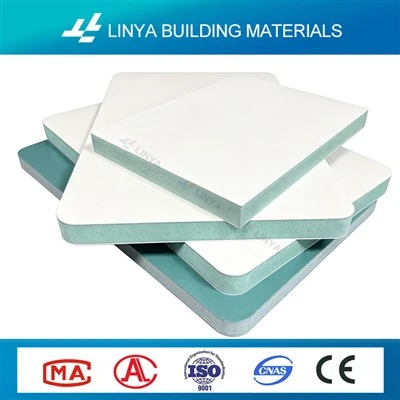
If you’re ready to order bamboo formwork for your next project, or if you have questions about which type is right for your needs, don’t hesitate to reach out to our team. We’re here to help you every step of the way, from selecting the right panel size to advising on installation and maintenance. Whether you need a small batch for a residential patio or thousands of panels for a large commercial development, we can provide high-quality, sustainably sourced bamboo formwork that meets your needs and your budget.
Film Faced Formwork References:
- Food and Agriculture Organization of the United Nations (FAO). (2021). Bamboo: A Renewable Resource for Sustainable Development. Rome: FAO.
- American Society of Civil Engineers (ASCE). (2020). Sustainable Construction Materials: A Guide for Engineers. Reston, VA: ASCE.
- Bamboo Formwork Manufacturers Association (BFMA). (2022). Global Standards for Bamboo Construction Formwork. Bangkok: BFMA.
- U.S. Green Building Council (USGBC). (2021). LEED v4.1 Materials and Resources Credit: Renewable Materials. Washington, DC: USGBC.
- Zhang, Y., et al. (2019). “Durability and Performance of Laminated Bamboo Formwork for Concrete Construction.” Journal of Construction Materials and Technology, vol. 7, no. 2, pp. 45-58.
Shenzhen Linya Building Materials Co., Ltd.
We are one of the most professional bamboo formwork manufacturers and suppliers in China, also support customized service. Welcome to buy bulk high quality bamboo formwork in stock here from our factory. If you have any enquiry about free sample, please feel free to email us.
Address: Bantian International Center, No.5 Huancheng South Road, Ma’antang Community, Bantian Street, Longgang District, Shenzhen
E-mail: linya@formworksteelprop.com
WebSite: https://www.linyabuildingmaterials.com/
