Hey guys, if you’re in the packaging, consumer goods, or even construction space, you know recycled plastic isn’t just a “green buzzword” anymore—it’s non-negotiable for so many brands right now. But let’s be real: coloring recycled plastic is way trickier than virgin resin. You’ve got inconsistent base colors, contamination from different plastic types, and fading issues that make your finished product look anything but premium. As a color masterbatch supplier, I’ve spent years working with manufacturers to nail this exact process, so today I’m breaking down how to color recycled plastic with masterbatch the right way—no wonky finishes or headaches. Color Masterbatches
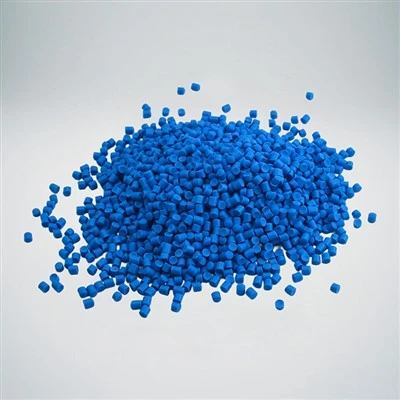
First, let’s clear up what recycled plastic coloring actually entails. Virgin plastic is like a blank canvas—you can mix in pigments easily because it’s uniform. Recycled plastic? It’s a jumble of post-consumer bottles, industrial scrap, and even food packaging, each with its own resin type (HDPE, PET, PP, you name it) and hidden contaminants. That’s why generic colorants fail: they don’t account for the inconsistency, leaving you with streaks, dull tones, or colors that shift batch to batch. Masterbatch, though, is different—it’s a concentrated blend of pigments, carriers, and additives that’s pre-made to work with specific resin types, which is exactly what you need for recycled materials.
The first step that most people skip: pre-sort and clean your recycled plastic properly. I’ve seen way too many brands cut corners here, and it comes back to bite them. If your recycling mix has even 5% PET in an HDPE batch, the masterbatch won’t distribute evenly, causing weird color spots. Same with leftover labels, glue, or food residue—those can make pigments react unpredictably. Pro tip: invest in a simple sorting system (even visual sorting works for small batches) and a hot wash cycle for clean-up. We always tell our clients to aim for 95% purity in their recycled resin before even touching masterbatch—trust me, it saves hours of rework later.
Next, pick the right masterbatch for recycled plastic. This isn’t the time to grab a masterbatch made for virgin HDPE. You need a recycled-specific masterbatch that uses a carrier resin compatible with your recycled material. For example, if you’re working with 100% post-consumer HDPE, grab a masterbatch with an HDPE carrier—this makes the mixing process way smoother because the carriers melt at the same temperature, so pigments spread evenly. We also make recycled masterbatches with low migration additives, which is a big deal for food packaging (one of the most common recycled plastic uses) because you don’t want color leaching into food. If your recycled mix has a lot of contaminated material, we even carry “high-load” masterbatches that mask those faint off-colors—no more dull, grayed-out finishes.
Now, the mixing process. A lot of people either add too much masterbatch (wasting money) or too little (bad color). Here’s the golden rule: test first, scale later. We always advise doing a small batch test before full production. Start with 2-3% masterbatch by weight of the recycled resin. Wait, let’s be specific: if you have 100 lbs of recycled plastic, use 2-3 lbs of masterbatch. Why? Because masterbatch is concentrated—too much can cause “blooming,” where pigment rises to the surface and looks patchy. Too little, and you get a pale, uneven color. For your test, use the same extruder settings you’d use for full production—temperature, screw speed, everything. That’s the only way to get accurate results.
Once you’ve got a test that works, adjust the mixing method. Hand mixing is a no-go, especially for large batches. You need an internal mixer or a single-screw extruder with a good screw design—one that’s not too fast, because high screw speed can shear the masterbatch too early, leading to uneven dispersion. We recommend keeping the extruder temperature 10-15°C lower than virgin resin for recycled plastic, because recycled materials often have lower thermal stability. Higher temps can cause degradation, which changes the color. Another trick: add a tiny bit of dispersing agent (not too much, or it will affect the plastic’s strength) if your recycled resin is super contaminated—this helps the masterbatch mix in better.
Wait, what about specific recycled plastic types? Let’s break down the most common ones because they have their own quirks. First, PET: post-consumer PET bottles are super common for packaging, but they have a natural yellow tint. To color PET effectively, you need a masterbatch with blue or violet pigments to counteract that yellow—this is called “color correction.” Our clients use this all the time for clear or white PET products, and it makes the final color look crisp, not yellowed. Then there’s PP: industrial recycled PP is often darker and has more filler, so you need a masterbatch with higher pigment loading to get a bright, consistent color. We have a line of PP-specific recycled masterbatches that’s designed to cut through that filler without reducing the plastic’s impact strength. HDPE: food-grade HDPE jugs are a big recycling stream, so food-contact approved masterbatches are non-negotiable here. Avoid generic masterbatches that might have additives that don’t meet FDA standards—we test all our food-grade batches to make sure they’re safe.
Another big pain point: color consistency between batches. Recycled plastic’s base color shifts every time you get a new shipment, so how do you fix that? Our solution is custom color matching for recycled masterbatches. We take a sample of your recycled resin, measure its base color, and adjust the masterbatch pigment levels to create a consistent end color, regardless of small base color shifts. For example, if one batch of recycled HDPE is a little grayer than the last, we can tweak the masterbatch to add a touch of black pigment to compensate, so your final product always matches the brand’s color guide. This is way more effective than trying to adjust the masterbatch ratio every time a new resin shipment comes in.
What about durability? You don’t want your colored recycled plastic fading in sunlight or washing out after a few uses. That’s where additive packages in the masterbatch come in. We include UV stabilizers in our outdoor-grade recycled masterbatches, so products like outdoor furniture or playground equipment stay colored for years. For consumer goods that get washed, like water bottles, we add wash-fast additives that prevent the color from running. Most manufacturers overlook this, but it’s what makes the difference between a product that looks cheap and one that looks high-quality.
Let’s talk about common mistakes we see clients make. First, using a masterbatch that’s not compatible. We had a client a few months ago who used a virgin PP masterbatch for their recycled PP packaging, and the result was streaky, with a lot of the pigment clumping up—they had to scrap 500 lbs of resin before switching to our recycled-specific masterbatch. Second, not testing. Another client tried to jump from a 5 lb test batch to 10,000 lbs of production without testing, and ended up with 10,000 lbs of off-color pallets. Third, sorting poorly. We once worked with a brand that mixed 10% PVC into their HDPE recycling—PVC can’t be colored with HDPE masterbatch, and it even damages the extruder. So sorting is non-negotiable.
Wait, is there a way to use more post-consumer recycled (PCR) plastic without sacrificing color? A lot of brands want to hit 100% PCR, but think it means dull colors. We’ve developed high-performance masterbatches that can mask up to 100% PCR plastic’s inconsistencies, so you get bright, consistent colors even with no virgin resin. For example, a snack packaging brand we work with now uses 100% post-consumer HDPE and our custom masterbatch, and their product looks identical to their old virgin packaging—no one can tell the difference, and they’re hitting their sustainability goals.
Now, let’s wrap this up with a quick step-by-step that you can use tomorrow: 1. Sort and clean your recycled resin to 95%+ purity. 2. Test a small batch with 2-3% recycled-specific masterbatch, matching carrier to your resin. 3. Adjust extruder settings (lower temp, moderate screw speed) and add dispersing agent if needed. 4. Do a color check, tweak masterbatch ratio or pigment for color correction if you’re working with PET. 5. Scale up, and use custom color matching for consistency across batches.
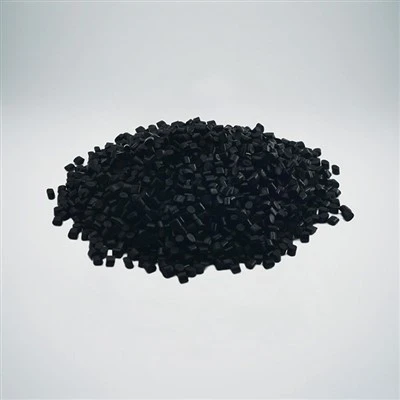
If you’re still struggling with uneven color, fading, or just getting started with coloring recycled plastic, we’re here to help. Our team can send you a free sample of a recycled-specific masterbatch, or work with you to develop a custom color that fits your product. We test all our batches for safety, compatibility, and consistency, so you don’t have to worry about scrapping materials or missing deadlines.
Automotive and EV Cable Compounds References:
- Plastics Industry Association. (2022). "Recycled Plastics Processing Guide."
- European Committee for Standardization. (2021). "Color Masterbatches for Recycled Thermoplastics."
- Food and Drug Administration. (2023). "Guidance for Color Additives in Food-Contact Plastics."
Opta New Materials (Jiangsu) Co., Ltd.
As one of the most professional color masterbatches manufacturers and suppliers in China, we also support customized service. We warmly welcome you to buy bulk durable color masterbatches from our factory. If you have any enquiry about free sample, please feel free to email us.
Address: No.80, Jingang Avenue, Zhenjiang New Area, Zhenjiang City, Jiangsu Province, China.
E-mail: le.yin@optachem.com
WebSite: https://www.optanewmaterials.com/
