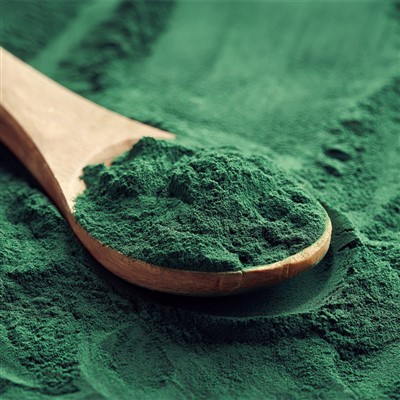
If you’ve ever walked down the aisles of a health food store, glanced at the supplement section of a gym, or even seen a TikTok creator raving about their morning smoothie, you’ve probably spotted small, vibrant green containers labeled “spirulina.” For years, I’ve stood behind the counter of my small, family-run spirulina supply business, watching curious customers pick up that blue-green powder or tablet, squint at the label, and ask the same question: What is spirulina, exactly? It’s not just another trendy superfood – it’s a tiny organism with a history stretching back thousands of years, and it’s one of the most nutrient-dense foods on the planet. Let’s break it down, no stuffy jargon, just the real story of what spirulina is, why it matters, and how we grow it to share with people who want to add something genuine to their diets. Spirulina

First, let’s get the science right. Spirulina isn’t a plant – it’s a type of cyanobacteria, often called blue-green algae, though it’s actually a photosynthetic bacterium that lives in warm, alkaline freshwater lakes and salt flats. I like to tell customers it’s basically a superorganism that’s been thriving on Earth for over 3.5 billion years, long before humans walked the planet. It gets its characteristic deep green (with a faint blue tint) from two pigments: chlorophyll, which helps it turn sunlight into energy, and phycocyanin, the blue pigment that’s a big part of what makes spirulina stand out from other algae.
One of the most common myths I hear is that spirulina is “just algae” and not worth the hype. But here’s the thing: its nutrient profile is almost unmatched in the natural world. Let’s do a quick breakdown that’s easy to follow. A single serving (usually one tablespoon of dried spirulina powder, or about 10 grams) has more protein per gram than whole eggs, beef, or even chicken. That protein is complete too, meaning it has all nine essential amino acids that our bodies can’t make on their own – something rare for plant-based foods. I used to work with a local nutritionist a few years back, and she told me that for vegan or vegetarian athletes, spirulina is often a game-changer because it gives them the sustained protein they need without the heaviness of animal products.
Beyond protein, spirulina is packed with vitamins and minerals that are hard to get from everyday diets. It’s a top source of B vitamins, especially B12, which is a huge one for people who avoid animal products. I know how frustrating it is to try to get enough B12 from plant-based foods alone – a lot of them have fake B12 that doesn’t actually get absorbed, but spirulina’s B12 is bioavailable, so your body can use it. It also has iron, magnesium, potassium, and zinc, all of which play roles in everything from energy levels to immune function. And that phycocyanin I mentioned earlier? That’s the pigment that’s responsible for many of spirulina’s anti-inflammatory and antioxidant properties. Studies have shown it can help reduce oxidative stress in the body, which is linked to chronic diseases like heart disease and diabetes.
Now, I know what some of you are thinking: “Is this even safe?” That’s a question I get all the time, and it’s a valid one, because not all spirulina is created equal. A lot of the spirulina sold in big box stores is grown in open ponds where it can absorb heavy metals or other contaminants from the water. That’s why, when we started our business, we made the decision to grow our spirulina in controlled, closed-loop systems. We source our water from a natural underground aquifer that’s regularly tested, and our growing tanks are enclosed so no outside pollutants can get in. Every batch we produce is tested three times – once during growth, once right after harvest, and once before it’s packaged – to make sure it’s free of heavy metals, microbes, or any other unwanted stuff. I tell customers that if you’re buying spirulina, you should always ask for a third-party test certificate. If a supplier can’t show you that, walk away. We make all of our test results available on our website, just so people know exactly what they’re getting.
The history of spirulina is actually pretty fascinating, too. It’s not a new discovery – ancient Aztecs in Mexico harvested spirulina from Lake Texcoco as early as the 16th century, using it as a food source for their warriors and farmers. Later, in the 1960s, scientists started studying it as a potential solution to global hunger, because it’s so nutrient-dense and easy to grow in large quantities. During the 1970s, the World Health Organization even recommended spirulina as a food aid for malnourished communities around the world, and I’ve seen first-hand how that works – a local school in a nearby town used our spirulina to add to their lunch program for at-risk kids, and within a month, teachers were reporting better focus and fewer absences due to illness.
Let’s talk about how you can actually use spirulina, because a lot of people don’t know where to start. For beginners, the powder is the easiest option. You can stir it into smoothies (it doesn’t have a strong flavor, I promise – you’ll barely taste it in a berry smoothie), mix it into oatmeal, or even add a teaspoon to your homemade hummus for an extra nutrient boost. For people who don’t like the powder, we also sell spirulina tablets, which are easy to take on the go. I usually start new customers with a half-teaspoon a day, then work up to a full teaspoon, just to let their bodies adjust. Some people might experience a little digestive discomfort at first, but that’s normal – it’s just your gut getting used to a new source of nutrients.
Over the years, I’ve had the privilege of talking to hundreds of people about spirulina, and some of the most meaningful conversations have been with people who’ve struggled with energy issues. A few years back, a woman came into our shop who had been dealing with chronic fatigue for years, and she’d tried every supplement and diet change with no luck. She started taking our spirulina, and six months later, she came back to tell me that she finally had enough energy to go hiking with her grandkids. That’s why I love this work – it’s not just selling a product, it’s helping people feel better, naturally. Of course, spirulina isn’t a miracle cure, and it’s important to pair it with a balanced diet and regular exercise, but it’s a great addition to a healthy lifestyle.
Now, if you’re a business owner looking to add high-quality spirulina to your products – whether you make supplements, protein bars, smoothie mixes, or any other food item – I want you to know that we work with small and medium-sized businesses across the country. We don’t use mass production methods that cut corners on quality. Every batch of our spirulina is grown and harvested by our small team, and we can work with you to customize quantities to fit your needs, no matter how big or small. We also offer bulk pricing and can provide all the documentation you need for food safety and regulatory compliance.
If you’re ready to source reliable, pure spirulina for your business, we’d love to chat. We’re here to answer any questions you have about our growing process, testing protocols, or product offerings. Just reach out to our team to set up a consultation, and we can talk about how we can partner to bring high-quality spirulina to your customers.
Blue Spirulina References
Belay, A. (2002). The potential of spirulina as a human food supplement. Journal of Applied Phycology, 14(3), 209-216.
Clement, J. S., et al. (2020). Spirulina: A review of its effects on human health. Nutrients, 12(10), 3121.
World Health Organization. (1993). Spirulina (Arthrospira): Nutritional value and safety. WHO Food and Nutrition Bulletin, 15(2), 1-15.
Dongtai City Spirulina Bio-Engineering Co., Ltd.
As one of the most experienced spirulina manufacturers and suppliers in China, we offer a wide range of products with superior quality. Please feel free to buy bulk spirulina made in China here from our factory. Good service and reasonable price are available.
Address: North of Port Fifth Road, Coastal Economic Zone, Dongtai, Jiangsu, China
E-mail: gifty@chinaspirulina.com
WebSite: https://www.chinaspirulina.com/
