Hey there, if you’ve got RO purified water equipment (and I’m guessing either you already have some or you’re looking to get set up—since you’re here asking about maintenance), let’s cut through the jargon. I’ve been supplying these systems for almost a decade now, and I’ve seen it all: folks who buy top-of-the-line RO gear then let it collect dust and stop working in six months, and folks who do quick, regular checks that make their systems last 10+ years without a hitch. The worst part? Most of the maintenance stuff isn’t hard—it just takes a little consistency, and a lot of people skip it because they think “it’ll be fine for another month.” Spoiler: it won’t. RO Purified Water Equipment
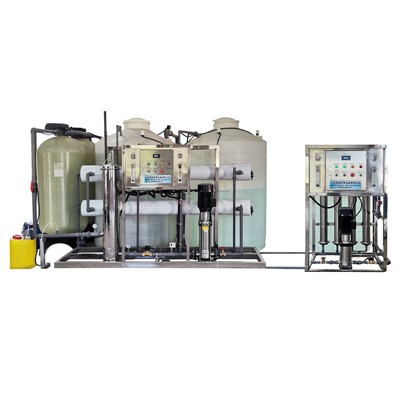
First off, let’s get one thing straight: RO systems aren’t “set it and forget it” appliances. You wouldn’t buy a brand new car and never change the oil or rotate the tires, right? Same logic applies here—your RO’s filters, membranes, and tiny internal parts need TLC to keep producing that clean, safe water you’re counting on. And before you panic, this isn’t some complicated lab test stuff you need a PhD for. I’m gonna break this down into the stuff you need to do daily, weekly, monthly, and quarterly—plus the big stuff that hits once every year or two, and why cutting corners here will cost you way more in the long run.
Let’s start with daily checks—super quick, 2 minutes max, no excuses. First, check the pressure gauges. You have two of them, right? The feed pressure (that’s the water coming into the system) and the concentrate pressure (the waste water going out). If those are way off the numbers I gave you when we installed your system, that’s a red flag. For example, if your feed pressure’s supposed to be 60 psi and it’s hovering at 40, that means there’s something clogging the pre-filters, and if you ignore it, you’ll burn out the RO membrane fast. Also, listen for weird noises—like a gurgle that turns into a grinding sound, or constant dripping from a fitting that used to be tight. I had a customer last year who put it off for two weeks, and by the time he called, he had to replace an entire pressure pump instead of just tightening a single O-ring. Oops. Another daily thing: check the total dissolved solids (TDS) of the product water. Every RO system has a TDS meter, right? If it starts creeping up more than 20% from what it was when you first ran the system, that’s your brain telling you “something’s wrong here, go check.” Don’t wait for the water to taste weird—by then, the damage is already done.
Now weekly tasks—still easy, just a little more hands-on. First, flush the RO system. A lot of newer models have an automatic flush cycle, but even so, manually doing a full 5-minute flush once a week helps get rid of built-up sediment and minerals that get stuck on the membrane. Especially if you’re in an area with hard water—we’re talking to you, Texas, Arizona, and most of the Midwest. That weekly flush prevents scale from cementing itself to the membrane surface, which is the #1 reason membranes die early. Next, do a visual check of all the tubing and connections. Look for leaks—even a tiny drip can add up to hundreds of gallons of wasted water a month. And check the pre-filter housings for any signs of moisture or mold. If you see even a little spot of mold, don’t just wipe it up—take the filter out, sanitize the housing with a mild bleach solution (1 tablespoon per gallon of water) and replace the filter. Mold in your water system? That’s a health hazard, not a hassle. I’ve seen small businesses get shut down over that—way worse than spending $20 on a new filter.
Monthly maintenance is where most people either skip it or botch it. This is when you actually replace those pre-filters and carbon filters, not just guess when they need changing. Wait, hold on—how do you know when to replace them, not just go by the generic “every 6 months” rule? The pre-filters (usually sediment and carbon) have a pressure differential. There’s a tiny gauge that shows the pressure before and after the filter. If the difference is more than 10 psi, the filter’s clogged, replace it. Don’t wait for the 6-month mark—if your water’s super dirty (like if you have a well that gets heavy rain runoff, or a municipal line with lots of construction debris), those filters can get choked in 3 months. Also, when you replace these, make sure you flush the new filter for 5 minutes first before installing it. If you skip that, you’ll get carbon dust in your product water, and it’ll taste like metal for a week. Big no-no. Another monthly task: sanitize the storage tank and the entire product line. Even if the filters are new, the tank can grow bacteria over time, especially if the water sits there for days. All you need is a 50/50 mix of water and white vinegar, run it through the tank and lines, let it sit for 30 minutes, then flush with fresh water until the vinegar taste is gone. Super simple, keeps the water safe for drinking or whatever you use it for.
Now the big-ticket stuff—quarterly and annual checks, and membrane replacement. Quarterly, you should test the concentrate flow rate. That’s the waste water coming out of the system. If it’s lower than it should be, that means the membrane’s starting to scale, or there’s a clog in the line. You can adjust the concentrate valve easily (I’ll send you a quick how-to video if you ever need it) to get it back to the correct rate. Also, quarterly, check the pressure pump’s amp draw. If it’s way higher than the specs, that means the pump’s working harder than it should, which is a sign of a clog or a failing membrane. Annual maintenance is non-negotiable: hire a professional (or if you’re handy, use the checklist I give you when we sell the system) to do a full deep clean of the RO membrane. Not the flush we talked about earlier—this is a specialized chemical clean to get rid of stubborn scale, organic matter, or bacteria that weekly flushes can’t touch. Skipping annual membrane cleaning can cut the membrane’s lifespan from 2 years to 1 year, easy. And when you do replace the membrane? Don’t buy the cheapest off-brand one you find online. I see this all the time—folks save $50 on a membrane, then have to replace it 6 months later because it doesn’t work as well. The membranes I supply are tested to last 2-3 years with proper maintenance; cheap ones last 6 months max, and you waste more water because they’re less efficient.
Wait, let’s talk about common mistakes I see all the time, because that’s half the battle. First, “I’ll ignore the low TDS for a while.” No—TDS that creeps up slowly is a sign the membrane’s working harder, and that wastes more energy too. Second, “I can skip the flush if I don’t use a lot of water.” Even if you only use your system once a week, the water that’s sitting in the membrane can get stagnant and grow bacteria. Flush it anyway. Third, using harsh chemicals to clean parts. Some guys think bleach or strong drain cleaner will work, but they’ll damage the rubber seals and the membrane’s thin layer. Stick to mild, food-safe cleaners for anything that touches product water. And finally, not keeping records. Keep a little notebook (or a phone note) with when you replaced filters, when you did membrane cleans, TDS readings, pressure levels. If something goes wrong a month later, you can look back and see exactly what changed, instead of guessing for hours.
Here’s the thing: when you work with me as your RO equipment supplier, I don’t just drop the system off and ghost you. I send you a free maintenance checklist, a quick start video, and I’m on call if you have a question at 10 PM when your TDS spikes out of nowhere. I’ve been in this long enough to know that most issues are preventable—you just need someone to walk you through it, not a manual full of jargon that makes your eyes glaze over. If you’re stretching the truth to make your system last longer, or if you’re not even sure what parts need replacing when, don’t keep guessing. The worst thing you can do is wait until your system stops working mid-shift (especially if you use it for a small business—like a café or a car wash, I’ve seen both go down because their RO died over a weekend) and then panic buy a replacement or pay a technician double for emergency service.
I know maintenance feels like another chore on your to-do list, but when you break it down into those small, regular steps, it takes less time than folding a load of laundry. And the payoff? Your system lasts longer, you spend less on replacement parts, the water quality stays consistent, and you don’t have to deal with the headache of fixing a broken RO when you’re already busy with other stuff.
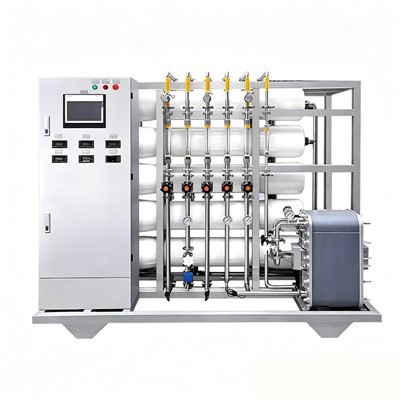
If you’re unsure about any of this—whether you’re having a hard time figuring out when to replace a filter, or you want a custom maintenance plan for your specific system, or you’re even in the market for a new RO setup (hint hint)—hit me up to connect for a chat. No hard sell, no pressure, just straight answers about what your system needs to keep running smoothly. Don’t let lazy maintenance turn your clean water system into a money pit—reach out, and we’ll get this sorted.
Reverse Osmosis Water System References:
- Water Quality Association. (2022). Maintenance Guidelines for Reverse Osmosis Systems. WQA Technical Publication.
- American Society of Plumbing Engineers. (2021). Reverse Osmosis System Care and Troubleshooting Manual. ASPE Press.
- World Health Organization. (2020). Guidelines for Drinking-Water Quality: Maintenance of Point-of-Use Reverse Osmosis Systems. WHO Press.
- Environmental Protection Agency. (2019). Home and Commercial Reverse Osmosis System Maintenance Best Practices. EPA Office of Water.
Shandong Yanuo Environmental Protection Equipment Co., Ltd.
We’re well-known as one of the leading ro purified water equipment manufacturers and suppliers in China, featured by quality products and good price. Please rest assured to buy bulk ro purified water equipment made in China here from our factory. Customized orders are welcome.
Address: North Side of the Road, 1,000 Meters West of the Intersection of Fenghuangshan West Road and Provincial Highway S102, Wangfu Subdistrict, Qingzhou City, Weifang City, Shandong Province.
E-mail: ynhb.499973983@gmail.com
WebSite: https://www.zkyaruo.com/
