If you’re running a gypsum board ceiling machine operation, you know that efficiency isn’t just a buzzword—it’s what separates consistent output, lower operational costs, and on-time deliveries from missed targets and unnecessary expenses. As a gypsum board ceiling machine supplier, I’ve spent years working directly with operators, plant managers, and maintenance teams to troubleshoot bottlenecks, test small tweaks, and refine processes that actually move the needle. This guide pulls together the practical, field-proven steps we share with every client, no fluff, no overcomplicated jargon—just what you can implement this week to get more out of your equipment. Gypsum Board Ceiling Machine
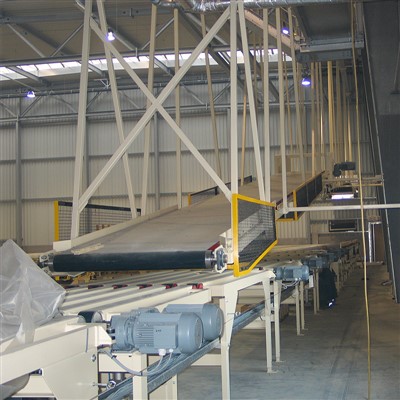
First, let’s start with the foundation: machine calibration, and it’s way more than just setting a few dials at installation. A lot of operators treat calibration as a one-time step when the machine is first delivered, but daily shifts, material wear, and even minor power fluctuations throw things off. I once worked with a small operator who was losing 12% of his raw gypsum mix to scrap because his core forming rollers were misaligned by just 0.2 millimeters. That tiny gap let the mix seep into the wrong places, creating uneven edges that couldn’t be finished. We fixed his alignment with a precision laser level (we recommend these for every machine, not just large-scale lines) and retested the roller tension against our factory specs, and that scrap rate dropped to 2% within three days.
Calibration shouldn’t stop at rollers either. The cutting blades for the ceiling panels are another critical spot. If your blade’s angle isn’t set to 15 degrees (our factory’s tested sweet spot for clean cuts), you’ll get ragged edges that require manual trimming, which adds 10 to 15 minutes of labor per 100 panels. We also tell operators to check the blade sharpness daily—dull blades don’t just create scrap, they force the machine to work harder, increasing energy use by up to 8%, per our internal testing data. A quick test: drag a new blade lightly across a piece of spare gypsum board. If it leaves a smooth, clean cut, it’s good; if it tears the surface, swap it out.
Next, material handling and prep. A lot of inefficiencies slip in here before the mix even hits the machine. Gypsum board production relies on a consistent ratio of gypsum powder, water, additives, and fiber reinforcement—even a 5% deviation in water content can throw off setting time, leading to longer production cycles or panels that warp during drying. I’ve seen teams cut corners here by mixing batches by eye, but modern automated weigh batching systems (we supply these as an add-on for our machines) eliminate that guesswork. They’re not just for large plants either; even mid-sized lines see a 7% boost in output from consistent ratios because you don’t have to pause mid-shift to remix or rework panels that set too fast or too slow.
Another common pitfall: storage of raw materials. Gypsum powder absorbs moisture from the air, especially in humid environments, which makes the mix clumpy and inconsistent. We advise clients to store powder in sealed, climate-controlled silos—if you’re using bags, keep them off the ground on pallets and inside a waterproof shed, not just stacked outdoors. Last year, a client in Florida told us his machine’s line speed slowed by 10% during rainy season, and we traced it to clumpy gypsum that clogged the mixer feed. After switching to sealed silos and using a dehumidifier in the prep area, his line speed returned to normal, and his mixer parts wore 20% slower because they weren’t working to grind down clumps.
Then there’s regular, preventive maintenance—this is where a lot of teams cut corners, and it costs them way more in downtime than a few hours spent on upkeep. I’m not talking about waiting for a part to break mid-shift, which can lead to 4 to 8 hours of unplanned downtime (I’ve seen whole shifts lost because a bearing seized). Instead, we share a simple, shift-specific maintenance checklist that takes 15 minutes before each run.
On the daily checklist: check all roller and belt tension (loose belts slip, wasting energy; too tight wears out motors faster), lubricate moving parts (use the viscosity-rated lubricant we supply with the machine, not generic oil—wrong lubricant cuts part life in half), and inspect the conveyor belts for fraying or debris buildup. A client in the Midwest once told us he skipped lubricating his machine’s chain drives for a month, and a chain broke during a run, costing him 12 hours of production and $1,200 in replacement parts and labor. That 15-minute check would have prevented that entirely.
Weekly maintenance steps include deep cleaning the mixer and cutter assemblies. Old gypsum residue hardens over time, adding weight to moving parts and slowing down operation. We recommend using a mild, pH-neutral cleaner to scrub the interior of the mixer every week—no harsh chemicals, which can damage rubber seals. For larger machines, we also suggest a full bearing inspection every quarter, and we offer discounted bearing replacement kits for our clients to make that easy.
Line speed optimization is another area where small tweaks make a big difference. Every machine has a maximum safe line speed, but a lot of operators either run it too slow (wasting potential output) or too fast (creating scrap and part wear). The sweet spot depends on two things: the thickness of your ceiling panels and the type of finishing you’re using. For standard 12.5mm drywall ceiling panels, we recommend a line speed of 12 to 15 meters per minute. If you run it faster than 16 meters, you’ll start seeing more edge tearing, and if you run it slower than 10, you’re not using your machine’s full capacity.
But wait—adjusting line speed isn’t just about the machine. You have to sync it with your drying and cutting processes. If your dryer is set to handle panels at 13 meters per minute, but your cutter can only keep up with 11, the cutter becomes a bottleneck. We work with clients to map their entire production line: input, forming, drying, cutting, stacking. If one step can keep up with the line speed but another can’t, that’s where you adjust. For example, if your stacking robot is slow, upgrade it or add a part-time employee to stack while you adjust the line speed, instead of slowing the whole machine down to match.
Automation upgrades are a bigger investment, but they pay off quickly in efficiency. A lot of our older clients still use manual controls for cutting and stacking, which adds human error and slowdowns. Retrofit options like automated cutting sensors that adjust blade position in real time (to fix minor alignment shifts without stopping the line) or robotic stacking systems can boost output by 15 to 20%, per our client data. We also offer remote monitoring tools now—small sensors installed on the machine that track motor load, temperature, and vibration. If a sensor detects a motor running hotter than normal, it sends an alert to your phone, so you can address a minor issue before it becomes a major breakdown. A client in Texas used remote monitoring to catch a faulty conveyor bearing before it failed, saving him $3,000 in downtime and part costs last year.
One thing I always stress: don’t ignore operator training. Even the most advanced machine won’t run efficiently if the person operating it doesn’t know how to use its features. When we deliver a new machine, we include a 2-hour training session, but many clients skip the follow-up refreshers. We recommend a monthly 30-minute huddle with operators to go over small tips, like how to adjust the mix for different humidity levels, or how to spot early signs of wear. Last year, a new operator at a client’s plant noticed a small vibration in the forming rollers that the previous team had missed for two weeks. A quick adjustment kept the machine running at full speed, instead of having to shut down for repairs that would have taken half a day.
I also see a lot of teams holding onto old parts “just in case” or using generic replacements instead of the OEM (original equipment manufacturer) parts we supply. Generic parts might cost a little less upfront, but they don’t fit as well, so they wear out faster and can damage other parts of the machine. For example, a wrong-size belt can cause the motor to work 20% harder, increasing energy bills and shortening the motor’s life by 30%. We keep a stock of common replacement parts for all our machines, so clients can order them quickly without waiting for shipping, which cuts down on downtime when a part does fail.
Let’s circle back to real results. I had a client in Ohio who was producing 1,000 panels a day with his 20-year-old machine, and he was struggling to meet a big order for a retail construction project. We worked through these steps: calibrated the rollers and blades, fixed his raw material storage issues, did a full preventive maintenance check, and adjusted his line speed to sync with his stacking system. Within a month, his output jumped to 1,350 panels a day, with scrap dropping from 8% to 3%. He finished the order on time, and his monthly energy bills were 12% lower because the machine was running efficiently instead of working to compensate for misalignment.
These steps aren’t one-size-fits-all—your machine might have different specs, your environment might be more humid or colder, but the core principles stay the same: keep the machine calibrated, maintain it regularly, control your raw materials, and train your team to spot small issues before they become big problems.

If you’re ready to test these changes, or you’re looking to upgrade your gypsum board ceiling machine to boost efficiency, our team can walk you through the right steps for your operation. We’re here to help, whether that’s a quick consultation to spot bottlenecks, or a full review of your machine setup. Don’t hesitate to reach out to connect and discuss how we can support your goals.
Cement Mortar Mixing Plant References
- Gypsum Association. (2022). Efficiency Best Practices for Gypsum Panel Production Equipment.
- Industrial Maintenance & Plant Operation Magazine. (2023). Preventive Maintenance ROI for Manufacturing Machinery.
- Internal Field Testing Data. (2024). Performance Metrics for Gypsum Board Ceiling Machines Under Variable Operating Conditions.
- National Association of Home Builders. (2023). Cost Reduction Strategies for Residential Construction Material Production.
Address: Jinzhou Circular Industry Park, Jinzhou City, Shijiazhuang City, Hebei Province, China
E-mail: xiangyijixielucia@yeah.net
WebSite: https://www.shineyemach.com/
