Stainless steel pipe fittings are versatile components widely used in various industries due to their excellent properties. One common question that arises is whether they can be used in ventilation systems. As a supplier of stainless steel pipe fittings, I’m here to provide you with a comprehensive answer. Stainless Steel Pipe Fitting

Advantages of Using Stainless Steel Pipe Fittings in Ventilation Systems
Corrosion Resistance
One of the primary reasons stainless steel pipe fittings are suitable for ventilation systems is their remarkable corrosion resistance. Ventilation systems often deal with air that may contain moisture, chemicals, or other corrosive substances. Stainless steel, especially grades like 304 and 316, forms a passive oxide layer on its surface, which protects it from rust and corrosion. This ensures the longevity of the pipe fittings, reducing the need for frequent replacements and maintenance.
For example, in industrial ventilation systems where the air may be polluted with acidic or alkaline substances, stainless steel pipe fittings can withstand the harsh environment without deterioration. In a chemical processing plant, the ventilation system needs to remove fumes and pollutants. Stainless steel pipe fittings can resist the corrosive effects of these chemicals, ensuring the proper functioning of the ventilation system over an extended period.
Strength and Durability
Stainless steel is known for its high strength and durability. Ventilation systems require components that can withstand the pressure and stress of air movement. Stainless steel pipe fittings can handle high-pressure applications without deforming or breaking. This makes them ideal for large-scale ventilation systems in commercial buildings, factories, and other industrial settings.
In addition, stainless steel pipe fittings are impact-resistant. They can withstand accidental bumps and knocks that may occur during installation or maintenance. This durability ensures the reliability of the ventilation system and reduces the risk of leaks or failures.
Hygiene and Cleanliness
In ventilation systems, especially those used in food processing plants, hospitals, and laboratories, hygiene is of utmost importance. Stainless steel is a non-porous material, which means it does not absorb or harbor bacteria, mold, or other contaminants. This makes it easy to clean and maintain, ensuring a healthy and safe environment.
For instance, in a food processing plant, the ventilation system needs to prevent the spread of airborne contaminants. Stainless steel pipe fittings can be easily cleaned with standard cleaning agents, ensuring that the air circulated in the facility is free of harmful substances.
Aesthetic Appeal
Stainless steel has a sleek and modern appearance, which can enhance the overall aesthetic of the ventilation system. In commercial buildings, where the ventilation system may be visible, stainless steel pipe fittings can add a touch of elegance. They can be used in exposed ductwork, providing a clean and professional look.
Considerations for Using Stainless Steel Pipe Fittings in Ventilation Systems
Cost
One of the main considerations when using stainless steel pipe fittings in ventilation systems is the cost. Stainless steel is generally more expensive than other materials such as galvanized steel or PVC. However, the long-term benefits of using stainless steel, such as its corrosion resistance and durability, often outweigh the initial cost.
When comparing the cost of different materials, it’s important to consider the total cost of ownership. Stainless steel pipe fittings may require less maintenance and replacement over their lifespan, which can result in cost savings in the long run.
Compatibility with Other Materials
In some ventilation systems, stainless steel pipe fittings may need to be connected to other materials such as ducts, fans, or filters. It’s important to ensure that the stainless steel pipe fittings are compatible with these materials to prevent corrosion or other issues.
For example, when connecting stainless steel pipe fittings to galvanized steel ducts, there is a risk of galvanic corrosion. To prevent this, appropriate insulation or coatings can be used to separate the two materials.
Installation Requirements
Stainless steel pipe fittings require proper installation to ensure their performance and longevity. The installation process may be more complex than other materials, as it requires specialized tools and techniques.
It’s important to hire a professional installer who has experience working with stainless steel pipe fittings. They can ensure that the fittings are installed correctly, minimizing the risk of leaks or other problems.
Applications of Stainless Steel Pipe Fittings in Ventilation Systems
Commercial Buildings
In commercial buildings such as offices, shopping malls, and hotels, ventilation systems are essential for maintaining a comfortable and healthy environment. Stainless steel pipe fittings are commonly used in these systems due to their corrosion resistance, strength, and aesthetic appeal.
For example, in a high-rise office building, the ventilation system needs to provide fresh air to all floors. Stainless steel pipe fittings can be used to connect the ducts and ensure the proper distribution of air.
Industrial Facilities
Industrial facilities such as factories, warehouses, and power plants have complex ventilation systems to remove fumes, dust, and other pollutants. Stainless steel pipe fittings are ideal for these applications due to their ability to withstand harsh environments and high-pressure conditions.
In a manufacturing plant, the ventilation system may need to handle corrosive chemicals or high temperatures. Stainless steel pipe fittings can resist the effects of these conditions, ensuring the safe and efficient operation of the ventilation system.
Food Processing and Pharmaceutical Industries
In the food processing and pharmaceutical industries, hygiene is of utmost importance. Stainless steel pipe fittings are widely used in these industries due to their non-porous surface and easy-to-clean properties.
In a food processing plant, the ventilation system needs to prevent the contamination of food products. Stainless steel pipe fittings can be easily cleaned and sanitized, ensuring that the air circulated in the facility is free of harmful substances.
Conclusion
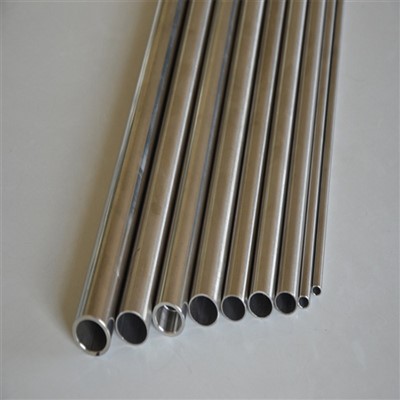
In conclusion, stainless steel pipe fittings can be used in ventilation systems with many advantages. Their corrosion resistance, strength, durability, hygiene, and aesthetic appeal make them a suitable choice for a wide range of applications. However, it’s important to consider the cost, compatibility with other materials, and installation requirements when using stainless steel pipe fittings in ventilation systems.
Monel Alloy As a supplier of stainless steel pipe fittings, I’m committed to providing high-quality products and excellent customer service. If you’re considering using stainless steel pipe fittings in your ventilation system, I encourage you to contact me to discuss your specific needs. I can provide you with detailed information about our products and help you choose the right fittings for your application.
References
- ASHRAE Handbook – HVAC Systems and Equipment
- Stainless Steel Association Technical Publications
- Building Codes and Standards related to Ventilation Systems
Henan Gnee New Material Co.,ltd
Gnee Super Alloy (Tianjin) Co., Ltd. is well-known as one of the leading stainless steel pipe fitting manufacturers and suppliers in China. We warmly welcome you to buy or wholesale high quality stainless steel pipe fitting in stock here and get free sample from our factory. For price consultation, contact us.
Address: No.4-1114, Beichen Building, Beicang Town, Beichen District, Tianjin, China
E-mail: ss@gneesteel.com
WebSite: https://www.superstainlessalloy.com/
