As a DTF printer supplier, I often encounter various inquiries from customers about the capabilities of our printers. One question that comes up quite frequently is, "Can a DTF printer print on fleece?" In this blog post, I’ll explore this topic in detail, drawing on my experience and knowledge of the DTF printing process. DTF Printer
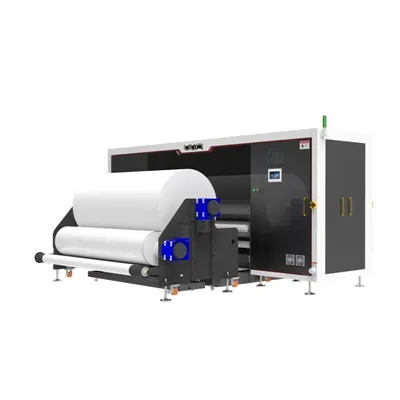
Understanding DTF Printing
Before we delve into whether DTF printers can print on fleece, let’s first understand what DTF printing is. Direct-to-Film (DTF) printing is a relatively new and innovative printing technology that has gained significant popularity in the textile printing industry in recent years.
The DTF printing process involves printing a design onto a special PET film using water-based inkjet inks. A powder adhesive is then applied to the printed design on the film. Once the adhesive is fused to the printed design, the film is placed on the fabric with the printed side down. Heat and pressure are applied, usually with a heat press, to transfer the design from the film to the fabric. This results in a vibrant, detailed, and long-lasting print on the fabric surface.
Characteristics of Fleece
Fleece is a popular fabric known for its softness, warmth, and comfort. It is typically made from synthetic fibers such as polyester, which gives it its characteristic pill-resistant and quick-drying properties. Fleece comes in various weights, thicknesses, and textures, ranging from lightweight microfleece suitable for summer garments to heavyweight polar fleece for cold-weather outerwear.
The surface of fleece is relatively smooth but has a slight nap or texture, which can absorb some moisture and affect the printing process. Additionally, the synthetic nature of fleece means that it may require specific printing conditions to achieve optimal results.
Can a DTF Printer Print on Fleece?
The short answer is yes, a DTF printer can print on fleece. However, several factors need to be considered to ensure successful results.
1. Printer Compatibility
Not all DTF printers are created equal. Some printers may be better suited for printing on fleece than others. When selecting a DTF printer for fleece printing, look for a printer that offers high-resolution printing capabilities, precise ink droplet control, and the ability to handle different fabric types.
A printer with a wider color gamut and better color management system will produce more vibrant and accurate prints on fleece. Additionally, consider the printer’s speed and productivity to meet your production needs.
2. Ink Selection
The choice of ink is crucial when printing on fleece. Water-based DTF inks are commonly used for DTF printing, as they are environmentally friendly and produce high-quality prints. However, not all water-based inks are suitable for fleece.
Look for inks that are specifically formulated for synthetic fabrics like fleece. These inks are designed to adhere well to the polyester fibers of the fleece, resulting in a durable and long-lasting print. They also have good colorfastness and resistance to fading, washing, and abrasion.
3. Adhesive Powder
The adhesive powder used in the DTF printing process plays a vital role in transferring the design from the film to the fleece. When printing on fleece, it’s important to choose an adhesive powder that is compatible with synthetic fabrics.
The adhesive powder should have good adhesion strength to ensure that the design adheres firmly to the fleece surface. It should also be able to withstand the heat and pressure of the transfer process without melting or bleeding. Additionally, consider the texture and feel of the adhesive powder, as it can affect the overall appearance and hand feel of the printed fleece.
4. Pretreatment
Pretreating the fleece is an optional but recommended step to improve the print quality and adhesion of the design. Pretreatment helps to prepare the fabric surface by removing any dirt, oils, or sizing agents that may interfere with the ink and adhesive.
There are various pretreatment solutions available on the market, specifically formulated for synthetic fabrics like fleece. These solutions are usually applied to the fabric using a spray gun or a roller before printing. The pretreatment should be allowed to dry completely before printing to ensure optimal results.
5. Heat Press Settings
The heat press settings are critical when transferring the design from the film to the fleece. The temperature, pressure, and time settings need to be adjusted according to the type of fleece, the ink, and the adhesive powder used.
Generally, a temperature range of 160-180°C (320-356°F) and a pressure of 40-60 psi (2.8-4.1 bar) for a duration of 10-15 seconds are recommended for fleece printing. However, it’s important to test the settings on a small sample of fleece first to ensure that the design transfers correctly and that the fabric does not get damaged.
Benefits of DTF Printing on Fleece
Printing on fleece using a DTF printer offers several benefits, including:
1. High-Quality Prints
DTF printing allows for high-resolution, detailed, and vibrant prints on fleece. The water-based inks used in DTF printing produce sharp and accurate colors, making it ideal for printing intricate designs, photographs, and logos.
2. Durability
The prints produced by DTF printers on fleece are highly durable and long-lasting. The inks and adhesive powder used in the process are designed to withstand multiple washes, abrasion, and fading, ensuring that the print retains its quality over time.
3. Versatility
DTF printing is a versatile printing method that can be used on a variety of fleece products, including jackets, hoodies, blankets, and scarves. It allows for custom printing of designs, making it suitable for both small-scale and large-scale production.
4. Cost-Effective
Compared to other printing methods such as screen printing or embroidery, DTF printing on fleece is relatively cost-effective. It requires less setup time and can produce high-quality prints in small quantities, making it a popular choice for small businesses and individuals.
Challenges of DTF Printing on Fleece
While DTF printing on fleece offers many benefits, there are also some challenges that need to be addressed:
1. Fabric Handling
Fleece is a relatively soft and stretchy fabric, which can make it challenging to handle during the printing process. It may require special care to ensure that the fabric is平整 and wrinkle-free before printing.
2. Adhesion Issues
Although the adhesive powder used in DTF printing is designed to adhere well to synthetic fabrics like fleece, adhesion issues may still occur. Factors such as improper heat press settings, dirty or oily fabric surfaces, or incompatible adhesive powder can affect the adhesion of the design.
3. Color Matching
Achieving accurate color matching can be a challenge when printing on fleece. The texture and color of the fleece can affect the appearance of the printed colors, making it necessary to adjust the color settings on the printer.
Tips for Successful DTF Printing on Fleece
To ensure successful DTF printing on fleece, here are some tips to keep in mind:
1. Choose the Right Fleece
Select a high-quality fleece fabric that is suitable for DTF printing. Look for fleece that has a smooth surface, minimal nap, and is made from 100% polyester or a high percentage of polyester.
2. Test the Process
Before printing on a large batch of fleece, it’s important to test the printing process on a small sample of the fabric. This will help you to determine the optimal heat press settings, ink and adhesive powder combinations, and to ensure that the print quality meets your expectations.
3. Keep the Work Area Clean
Maintain a clean work area to prevent dirt, dust, or other contaminants from affecting the printing process. Use a lint roller or a clean cloth to remove any debris from the fleece surface before printing.
4. Follow the Manufacturer’s Instructions
Always follow the manufacturer’s instructions for the DTF printer, ink, adhesive powder, and heat press. This will help you to ensure that the printing process is carried out correctly and that the prints are of high quality.
5. Practice and Experiment
DTF printing on fleece requires practice and experimentation to achieve the best results. Don’t be afraid to try different settings, techniques, and materials to find what works best for you.
Conclusion

In conclusion, a DTF printer can print on fleece, offering high-quality, durable, and versatile printing solutions. However, several factors need to be considered, such as printer compatibility, ink selection, adhesive powder, pretreatment, and heat press settings, to ensure successful results.
Sublimation Printer As a DTF printer supplier, I am committed to providing my customers with the best printing solutions and support. If you are interested in DTF printing on fleece or have any questions about our products, please feel free to contact me. I would be happy to discuss your specific needs and help you find the right DTF printer and supplies for your business.
References
- Textile Printing Handbook, various authors
- DTF Printing Technology Guides from leading manufacturers
- Industry research papers on synthetic fabric printing
Hangzhou Yulan Technology Co., Ltd.
Hangzhou Yulan Technology Co., Ltd. is one of the most professional DTF printer manufacturers and suppliers in China. With abundant experience, we warmly welcome you to wholesale the newest DTF printer in stock here from our factory. Good service and quality products are available.
Address: Building, No.128 Rihui Road, Linping District, Hangzhou, China.
E-mail: ulinprint@gmail.com
WebSite: https://www.ulinprinter.com/
