If you’ve ever used a surface cleaner—whether for concrete patios, asphalt driveways, or even large warehouse floors—you know how frustrating it is when it doesn’t spray evenly, leaves streaks, or stops working mid-job. Nine times out of ten, the culprit is the nozzle. As a surface cleaner supplier, I’ve fielded hundreds of calls from customers panicking because their machines aren’t performing like they did when they unboxed them, and almost every issue comes back to one simple fix: cleaning the nozzle. Today, I’m walking you through exactly how to do that, why it matters, and how to keep your nozzles in top shape so your surface cleaners work as hard as you do. Surface Cleaner
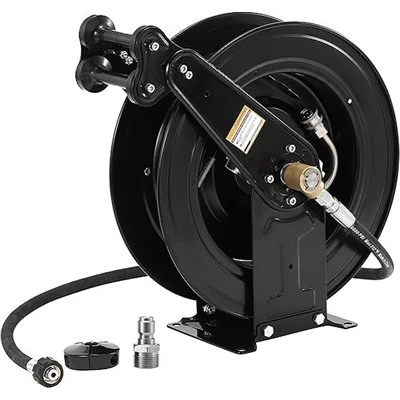
First, let’s get one thing straight: nozzles are tiny, high-impact parts. They’re designed to accelerate pressurized water into a narrow, precise stream to cut through dirt, mold, and grime without damaging the surface below. Over time, even the smallest debris—sand, loose paint chips, detergent residue, or mineral deposits from hard water—can clog the tiny orifice at the nozzle’s tip. I’ve seen it happen on residential units used for weekly patio cleanings, commercial machines on construction sites, and even rental units that go out for weekend projects. The good news is that this is almost always preventable, and cleaning a nozzle is a 5-minute job that doesn’t require any special tools or replacement parts.
Before I jump into the step-by-step, let’s talk about when you should clean your nozzle. If you notice uneven spray patterns (like one side of the surface cleaner’s head is spraying weaker than the other), streaks on concrete, or if the surface cleaner feels like it’s tugging instead of gliding smoothly over the surface, that’s your sign. For most regular use—say, cleaning your driveway once a month or a commercial warehouse every two weeks—you should inspect and clean the nozzle after each use. Even if it looks fine, a tiny sand grain from your last job can harden overnight and turn into a stubborn clog by your next use.
Now, let’s get to the process. First, safety is non-negotiable here. I can’t stress this enough: pressure washers are powerful, and pressurized water can cause serious injury. Before you touch the nozzle, turn off the pressure washer, unplug the electric unit or disconnect the gas line from gas-powered models, and relieve all pressure from the system. How? Squeeze the trigger on the wand for 10 to 15 seconds until no more water comes out. This eliminates the risk of the water suddenly jetting when you remove the nozzle, which would not only ruin your cleaning job but could also hurt you.
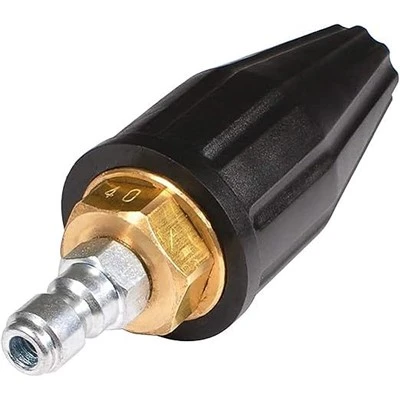
Once you’ve done that, lay down a soft cloth or paper towels on your work surface. Nozzles are small and easy to lose, so this step will save you from a frustrating search later. Now, locate the nozzle on your surface cleaner. Most surface cleaner nozzles are connected to the spray wand by a quick-connect fitting—you’ll see a small collar on the base of the nozzle. Squeeze that collar and pull gently to remove the nozzle from the wand. If your surface cleaner has multiple nozzles (most have two, mounted on either side of the rotating head), remove them all so you can clean them at the same time.
Now, inspect the nozzle closely. Hold it up to a light source and look through the orifice (the tiny hole at the tip). If you see a dark spot or a grain of debris blocking it, that’s your clog. Now, what to do next? Resist the urge to use a paper clip, a sharp nail, or any other metal object to poke the orifice. I see this mistake all the time, and it’s the number one reason customers end up needing to replace nozzles prematurely. Poking a metal object through the tiny orifice can scratch or deform the internal shape of the nozzle, which throws off its spray pattern and reduces pressure. A deformed nozzle won’t clean effectively, even if it’s “clean.” So stick to gentle, science-approved methods.
First, for light clogs (dirt, grass clippings, or loose debris), use a soft-bristled toothbrush. A clean, unused toothbrush works perfectly. Gently scrub the outside of the nozzle, then hold it under a steady stream of warm water (not hot, which can melt plastic nozzles) and let the water run backward through the orifice. This flushes out debris without damaging the nozzle. If that doesn’t work, move on to the next step.
For harder clogs, like mineral deposits from hard water or dried detergent residue, you’ll need a gentle soak. Fill a small bowl or cup with equal parts warm water and white vinegar. Submerge the nozzle fully in the solution and let it soak for 15 to 20 minutes. Vinegar dissolves mineral deposits and cuts through dried detergent without scratching or damaging the nozzle. After soaking, take that same soft toothbrush and gently scrub the nozzle, paying extra attention to the area around the orifice. Then, rinse it thoroughly with warm water and blow gently through the back of the nozzle to clear any remaining debris. Blowing is important—just don’t spit into it, that’s unnecessary. For stubborn clogs that still won’t budge, you can use a can of compressed air (like the ones used for cleaning keyboards) to blast debris out, but only if you hold the can at a safe distance and use short bursts. Never use high-pressure air from an air compressor, which can also damage the nozzle.
Once your nozzle is clean, test it before reattaching it to the wand. Hold it up to the light again—you should see a clear, unobstructed path through the orifice. If it looks good, take a moment to inspect the quick-connect collar on the nozzle’s base, too. A tiny amount of debris in the collar can make it hard to attach or cause the nozzle to leak. Wipe the collar with a damp cloth to remove any dirt before putting it back. Then, firmly push the nozzle into the quick-connect fitting until you hear a click—that means it’s locked in place. Repeat this for all nozzles on your surface cleaner.
Now, a few pro tips from a supplier who’s been in this business for years, because even regular cleaning doesn’t mean you’ll never have issues. First, store your nozzles properly when not in use. If you’re storing your surface cleaner for more than a week, remove the nozzles, clean them, and store them in a dry place. If you leave them attached while the unit is in storage, residual water can sit in the orifice and lead to mineral deposits that are much harder to remove. Second, if you regularly use your surface cleaner with detergent, flush the entire system with clean water for 30 seconds after each use to prevent detergent from building up in the nozzles or wand. Third, replace your nozzles every 6 to 12 months, depending on use. Even with proper care, nozzles wear down over time—their shape deforms from constant pressure, so their spray pattern becomes less precise. We sell replacement nozzles in bulk for commercial customers and single packs for residential users, so you don’t have to scramble if one wears out.
One common question I get is: can I use a needle to clean the nozzle? The short answer is no, for all the reasons I mentioned earlier. I once had a customer bring in a nozzle that he’d used a sewing needle on, and it was so scratched that the spray was like a fire hose instead of a narrow, even stream. He ended up needing a replacement, and that could have been avoided with a toothbrush and vinegar. Another mistake is using chemical cleaners that are too harsh. Bleach, harsh solvents, or drain cleaners can eat away at the plastic or metal of the nozzle, causing it to break or deform. Stick to warm water and vinegar, and you’ll be fine.
Let me also talk about why this matters beyond just making your surface cleaner work better. A clogged nozzle doesn’t just leave streaks—it makes your machine work harder, which increases wear and tear on the pump and motor. Over time, that can lead to expensive repairs or even having to replace the entire surface cleaner unit. Taking 5 minutes to clean the nozzle after each use saves you money in the long run, and it extends the life of your machine. For commercial customers, that means less downtime between jobs, which keeps your projects on schedule and your customers happy. For residential customers, that means your driveway stays clean for longer, and you don’t have to spend extra time re-scrubbing areas that the surface cleaner missed.
If you’ve tried cleaning your nozzle and you’re still having issues—uneven spray, low pressure, or streaky results—there could be another issue with your surface cleaner, and that’s where we come in. As a surface cleaner supplier, we work with residential users, small business owners, and large commercial facilities to provide not just high-quality surface cleaners, but also the support and parts you need to keep them running smoothly. Whether you need replacement nozzles, advice on maintaining your machine, or you’re looking to upgrade to a more efficient surface cleaner for your home or business, our team is here to help. We understand that your surface cleaner is a big investment, and we want to make sure you get the most out of it. So if you have questions about nozzle maintenance, need parts, or are ready to discuss bulk orders for your business, don’t hesitate to reach out to our team for a personalized consultation. We’re here to help you get the job done right, every time.
Plunger Pump References:
- Pressure Washing Resource. Nozzle Care and Maintenance for Pressure Washers. Pressure Washing Industry Association, 2022.
- Johnson, M. Surface Cleaner Maintenance: A Guide to Extending Equipment Lifespan. Cleaning Technology Journal, vol. 18, no. 3, 2021, pp. 45-52.
- Smith, L. Safe Pressure Washer Nozzle Cleaning Practices. Home Improvement Research Institute, 2023.
Zhejiang GTM Hi-Tech Intelligent Equipment Co., Ltd.
We are one of the most experienced surface cleaner manufacturers and suppliers in China, also support customized service. Please feel free to buy discount surface cleaner for sale here from our factory. Quality products and reasonable price are available.
Address: No.5 of Changjiang Road, 2nd Economic Development Zone of Wenling, Zhejiang, China
E-mail: yehuanting1@hongyemfg.com
WebSite: https://www.gtmplungerpump.com/
