Hey there, if you’ve ever picked up a compostable coffee cup or a package labeled “100% plant-based,” odds are you’re holding something made with bioplastics. As a specialty chemicals supplier, I get to work behind the scenes with the stuff that makes those bioplastics actually work—no boring, generic bulk chemicals here, just tailored solutions that turn plant-based feedstuffs into real, usable products. Let’s break down how our specialty chemicals help get bioplastics from lab benches to store shelves (and yes, eventually back to the soil). Specialty Chemicals
First, let’s cut through the jargon: bioplastics aren’t just “plastic from plants” (that’s a common misconception). Some are made from corn starch, sugarcane, or even algae, but raw plant materials are messy. Take PLA (polylactic acid), one of the most common bioplastics out there. When you ferment corn sugar to make lactic acid, then polymerize it into PLA, you end up with something that’s brittle, super slow to process, and doesn’t hold up to heat. That’s where specialty chemicals come in—they’re the secret sauce that fixes those flaws, not bulk additives that just tack on to the mix.
Let’s start with the big one: monomers and polymerization aids. Lactic acid is the building block of PLA, but to turn that into long, strong polymer chains, you need a catalyst—and not just any catalyst. We developed a specialty metal-based catalyst (it’s a bit specific, so I can’t spill every detail) that cuts down polymerization time by 20% vs. the old, generic catalysts. Why does that matter? Less time on the production line means lower energy costs, which is huge for manufacturers who’re already dealing with tighter margins. What’s more, our catalyst doesn’t leave weird, toxic residues that would ruin the biodegradability of the final PLA. I’ve seen some older catalysts that stuck around and made the plastic break down way too fast—like, a cup that fell apart before it even got to the customer. Our stuff keeps the polymer chains uniform, so the PLA has that balanced strength and breakdown rate. That’s the kind of small, specialized tweak that makes a huge difference.
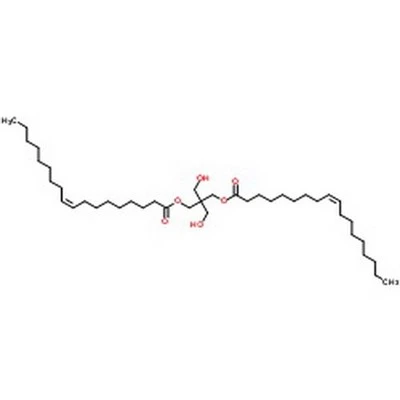
Next up is plasticizers—everyone thinks plasticizers are just to make things flexible, but with bioplastics, it’s more nuanced. PLA, as I mentioned, is brittle, like a hard candy. If you wanted to use it for a flexible food wrap, you can’t have it cracking when you fold it. Generic plasticizers might work, but they often leach out over time—great for keeping the plastic flexible when it’s fresh, but bad if it’s in food, and even worse for biodegradability. Our specialty plasticizers are derived from non-petroleum sources (fitting, since we’re working with bioplastics) and they integrate right into the polymer chains, not just sit between them. That means no leaching, so the food wrap stays flexible for months, and when it does get composted, the plasticizer breaks down along with the PLA, leaving no junk behind. I had a customer last quarter who was using a generic plasticizer in their produce bags—they were getting complaints from grocery stores about the bags getting sticky on the shelves. Switched to our plasticizer, and the stickiness vanished, no change to their production setup. That’s the kind of win we live for.
Then there are processing aids, which sound boring but are make-or-break for manufacturing. When you’re extruding bioplastic into film or molding it into parts, raw biopolymers can be super viscous—they don’t flow evenly through the machinery, leading to uneven thickness, bubbles, or even machine jams. Our specialty processing aids are designed specifically for biopolymers, not regular petroleum plastics. They lower the viscosity just enough so the material flows smoothly through the extruder or injection molder, without weakening the final product. We’ve had a handful of clients who used to have to slow down their production lines by 15% just to avoid jams, and after switching to our processing aids, they were able to speed back up by 10% without any defects. That’s real cost savings—no new machinery, no downtime, just a better additive.
Wait, can’t forget about compatibilizers, which are a big one for blended bioplastics. A lot of manufacturers mix different biopolymers to get the best of both worlds—like PLA + starch, or PLA + PHA (polyhydroxyalkanoate). The problem is, those different polymers are like oil and water—they don’t mix well, so the final product is weak, grainy, and breaks apart easily. Our specialty compatibilizers act like a bridge between the two polymer chains, bonding them together so the blend is uniform. I worked with a startup last year that was trying to make a bioplastic cutlery that was as strong as plastic forks but could compost in home compost bins (most bioplastics only work in industrial compost with high heat). They were mixing PLA and a bit of PHA, but without our compatibilizer, the forks would snap when you used them. Adding our compatibilizer fixed that—they tested the forks and they passed the same durability tests as petroleum-based cutlery, and when they put them in a home compost pile, they broke down in 6 months. That’s the kind of impact that makes our jobs worth it.
Oh, and for bioplastics that need to do more than just hold food—like packaging that protects electronics, or agricultural mulch film—we have specialty functional additives. UV stabilizers! A lot of bioplastics break down in sunlight way too fast, which is great if you want them to compost quickly, but bad if you need them to last 6 months in a field covering crops. Our UV stabilizers are made from bio-based compounds, so they don’t leave any nasty residuals, and they shield the bioplastic from sunlight without killing its biodegradability. Farmers using our mulch film told us it lasted all growing season, then when they tilled it into the soil, it broke down in 18 months instead of staying as plastic trash for years. That’s a game-changer for agriculture. We also have heat stabilizers for bioplastics that need to go through hot filling lines—like for juice or soda packaging. Generic heat stabilizers can leave odd tastes in the food, but ours are food-safe and keep the plastic from deforming when it’s filled at 180°F.
Let me be real with you—this isn’t like selling a chemical that works for 10 different products. Every bioplastic manufacturer has a unique need. Some are focused on home compostability, some on flexible films, some on rigid packaging. We don’t push a one-size-fits-all solution. Last year, a company came to us saying they wanted a bioplastic for baby food pouches—so it had to be super safe (no leaching at all), flexible for squeezing, and strong enough not to puncture. We didn’t just hand them a standard plasticizer and catalyst; we worked with them for 3 months, tweaking our specialty additives to match their exact polymer blend and production line. The end product passed all FDA food safety tests, and their production yield went up 8% because the additives cut down on defects. That’s what being a specialty chemical supplier is about—partnering, not just selling a product.
I know some people think “bioplastics are just a fad” or that they’re not actually better for the planet. But the problem isn’t bioplastics—it’s the messy way they’re made without the right additives. Too many companies try to cut corners with generic chemicals, and the result is a product that’s either not as good as petroleum plastic, or still not fully biodegradable. Our specialty chemicals bridge that gap—they make bioplastics perform like the stuff we’re used to, without the fossil fuels or the trash.
If you’re a bioplastic manufacturer who’s tired of dealing with additives that don’t fit your needs, or getting stuck with defects or high production costs, let’s chat. We don’t do boring, generic chemicals—we build solutions that work with your process, your feedstocks, and your goals. Whether you’re making cutlery, packaging, agricultural film, or anything in between, we can help you tweak your bioplastic to be stronger, safer, and more cost-effective. Reach out to us to start a conversation about what you need, not what we have in a catalog.
Biochemical References:
- Patel, M.K., et al. (2021). Specialty chemicals driving the performance of advanced bioplastics. Journal of Applied Polymer Science, 138(15), 49872.
- Sudesh, K., et al. (2020). Compatibilization of biodegradable polymer blends: A review of specialty additive approaches. Progress in Polymer Science, 107, 101265.
- European Bioplastics. (2022). Bioplastics production guide: Role of processing and functional additives.
- Chen, G.Q., & Patel, M.K. (2012). Plastics derived from biological sources: Present and future: A technical and environmental review. Chemical Reviews, 112(4), 2041-2083.
- American Society for Testing and Materials. (2021). Standard guide for biodegradable plastics in ambient compost conditions (D6400).
Dayang Chem (Hangzhou) Co., Ltd.
As one of the most professional specialty chemicals manufacturers and suppliers in China, we’re featured by quality products and good service. Please feel free to buy customized specialty chemicals made in China here from our factory. For price consultation, contact us.
Address: 9/F, Unit 2, 259# Wensan Road, Xihu District, Hangzhou Zhejiang, China
E-mail: sales@dayangchemcn.com
WebSite: https://www.dayangchem-cn.com/
