Hey everyone, and welcome to my little corner of the web! If you’ve ever wandered the tea aisle at the grocery store, stared at a shelf full of random herbal infusions (think peppermint, chamomile, maybe that weird turmeric-ginger blend everyone’s raving about lately), and then glanced at our natural mineral water bottles sitting right next to ’em—you’ve probably asked the same question I get a ton from our customers: can we actually use our mineral water for making those infusions? Natural Mineral Water
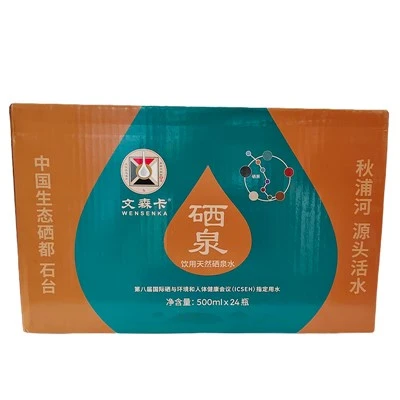
I’m gonna keep it real with you, since I run the local natural mineral water supply spot that most folks in this area swear by for everything from morning coffee to post-workout sips. I get DMs all the time: “Is tap water bad for steeping herbs?” “What’s the difference between using mineral water vs. plain filtered water for chamomile?” And honestly? I used to be super confused about this too—my first few years in the business, I just figured “water is water,” right? Spoiler: that’s so not the case. Let’s break this down like we’re chatting over a cup of the good stuff (steeped, obviously, not tap!).
First, let’s get one thing straight: not all water is created equal. I don’t mean to ramble on about our mineral water’s specs, but hear me out. Our water comes from an underground aquifer up north—we don’t add anything to it, just let it flow through those old rock layers that pick up tiny, natural minerals like calcium, magnesium, and potassium. No chlorine, no fluoride, none of that stuff they put in tap water to “clean” it up. Those additives are the exact reason some people think tap water tastes weird in tea, but for herbal infusions, they’re actually a problem.
Wait, let’s talk about why water matters for herbs in the first place. Herbal infusions aren’t like black or green tea—those have caffeine and tannins that break down fast in hot water, right? Herbs like peppermint, lavender, or elderflower have all these delicate essential oils and plant compounds (the stuff that’s supposed to make you calm, or soothe your stomach, or whatever) that need to pull out slowly. If your water has random chemicals or even too much of a certain mineral, it can mess with that extraction.
Let’s start with the bad stuff first, ’cause that’s why mineral water works better than tap in most cases. Tap water almost always has chlorine and sometimes chloramine, which are disinfectants that make it safe to drink straight from the tap, but they’re not great for herbs. Those chemicals can actually kill the delicate essential oils in herbs—like, imagine trying to steep a nice peppermint tea, and the chlorine zaps all that minty freshness before you even get a sip. I’ve heard people say tap water makes their herbal infusions taste “flat” or “off,” and that’s usually why. Chlorine doesn’t just disappear when you heat it, either—unless you boil it for like 10 minutes, which is a total hassle, and even then some might stick around.
Then there’s the mineral balance. Our natural mineral water has a pretty mild mineral profile, like, not so much that it tastes like a rock (I promise, it’s smooth). But some of the key minerals—magnesium, especially—are actually good for herbal infusions? Wait, hold on, let’s not jump ahead. There’s a thing called “water hardness” that everyone talks about but no one actually explains. Hard water has a ton of calcium and magnesium, soft water has sodium added (usually via water softeners). Soft water is bad for infusions because that extra sodium can make herbs taste salty or dull their flavor. Hard water that’s super high in calcium, though? That can bind with the compounds in herbs, making them harder to extract. Like, if you steep chamomile in super hard water, you might not get that sweet, apple-like flavor you’re supposed to—instead, it’s bland.
But here’s the thing: not all natural mineral water is the same. I’ve had customers come in before asking for “any mineral water” to steep lavender, and I have to tell them, “Nah, skip the ones that say ‘high mineral’ or ‘for sparkling water’—those have way too much stuff.” Our water is classified as low-mineral (well, moderate, technically, not super high) which is perfect for infusions. Let’s get scientific for a sec, but keep it casual—no need to pull out a lab coat. The pH level of water matters too. Tap water is usually around neutral, like pH 7, but some brands of mineral water can be a little on the alkaline side (ours is like 7.2, super mild). Why does pH matter? Herbs have their own ideal pH for releasing flavors. Chamomile, for example, likes a slightly acidic to neutral pH—too alkaline, and it can make the tea taste bitter. Peppermint, though, actually does better with a tiny bit of alkalinity, so a mineral water that’s just slightly alkaline (not like pH 9, that’s way too high) will make peppermint tea taste more vibrant.
Wait, let’s test this with real examples, since that’s what I care about most. Last month, my niece came over and wanted to make her mom’s favorite sleepy time tea: chamomile, valerian root, and a little lemon balm. I told her to use our mineral water, not the tap in my kitchen. She used tap first, and it tasted like… well, like tap water with a hint of herbs. Then she made a second batch with our stuff, and her eyes widened—she said it tasted like “actual chamomile tea, not water that sat in a pipe.” That’s the difference right there. Another customer, a guy who does herbal tea blends for his small café, told me switching to our mineral water made his sales go up because his regulars kept asking why the tea tasted so much better. He said before, he was using filtered tap, but even filtered tap still has trace amounts of chlorine sometimes—mineral water skips that whole step.
But wait, I can’t just say “use any mineral water” like it’s a rule. What about sparkling mineral water? I wouldn’t recommend that for hot infusions, obviously—all the fizz would go away when you heat it, and it would make a weird, bubbly mess. Also, some sparkling mineral waters have higher levels of minerals or even added CO2 that can react with the herbs, making the tea taste off. Stick to still natural mineral water, unflavored, with a mild mineral profile.
What about distilled water or reverse osmosis (RO) water? A lot of people swear by those for infusions, and yeah, they work—no minerals, no chemicals. But here’s the thing: distilled water is totally flat, right? It tastes like nothing. When you steep herbs in distilled water, you’re not getting that little bit of mineral richness that makes the flavors pop. It’s like making a smoothie with just water and fruit, no ice or anything to make it creamy—just missing something. RO water is a step up, but it’s filtered so much that it strips out all the good stuff, too. Our mineral water has those tiny, natural minerals that don’t overpower the herbs, they just help the flavors come through better.
Now, let’s talk about the other side of the coin—are there any herbs that don’t work well with mineral water? I’ve actually had that question too. For the most part, no, but maybe a couple. For example, very delicate herbs like mint or lemon balm—wait, no, those actually do great. Wait, what about something like hibiscus? Hibiscus is a little tart, and if you use mineral water that’s too alkaline, it can make the tartness mellow in a bad way. But our water is mild, so it works just fine. Another one: sage? Sage is strong, so even if the mineral water has a tiny bit of calcium, it doesn’t overpower the sage. I’ve only ever had one weird experience: someone used a super high-mineral mineral water (like, the kind they use for making homemade soda) to steep lavender, and it tasted like soap. Oh right, that’s the high mineral thing—too much calcium and magnesium can make certain herbs taste bitter or soapy, especially delicate ones. So the key here is mild, natural mineral water, not the super high ones.
Let’s also address the sustainability thing, since that’s huge for a lot of people these days. A lot of folks ask, “Isn’t it better to use tap water to cut down on plastic?” And yeah, that’s a valid point—we’re big on recycling our bottles, and we have bulk refill stations if you want to bring your own. But if you’re going to steep herbs regularly, and you’re using tap water, are you sure it’s good? Some cities have super hard water, like places in Texas or parts of California, where the tap water has so much mineral buildup, you can even see it on your kettle. If you’re in a place like that, filtering your tap water to remove chlorine and excess minerals is an option, but using natural mineral water that’s already balanced is way easier. No need for extra filters, no hassle of boiling water for 10 minutes to get rid of chlorine. It’s just grab, pour, steep.
Wait, let’s get back to the science to back this up, because I don’t want to sound like I’m just shilling my product (though, full disclosure, I am, but for good reason). A quick check in with some herbalist friends I know (they’re the ones who turn to me for water for their infusions, funny enough) told me that the extraction of volatile oils (the stuff that gives herbs their scent and flavor) is optimized when water has a TDS (total dissolved solids) level between 50 and 200 ppm. Our mineral water is right around 120 ppm, which is exactly in that sweet spot. Tap water usually ranges from 100 to 500 ppm, and some tap water can have up to 1000 ppm, which is way too high. Chloramine, which is in some tap water, is actually harder to remove than chlorine, and even small amounts can break down those volatile oils, making your infusion taste weak.
Another point: if you’re making cold herbal infusions (like sun tea, or cold brew mint tea), mineral water works even better. Cold water doesn’t kill the essential oils as much, so the lack of chlorine is even more noticeable. I’ve had customers make iced chamomile tea with our water and say it stays fresh for days, whereas when they used tap, it got that weird metallic aftertaste after a day or two. That’s the minerals and no chemicals working together—they help preserve the flavor a little, without making it taste weird.
Wait, let’s bust a common myth I see online all the time: “You have to use filtered water for herbal infusions, period.” Yeah, filtered water works, but why go through the extra step when natural mineral water is already balanced? If your filtered water is removing all the chlorine and has a mild TDS level, that’s fine too, but mineral water is naturally occurring, so it’s not processed. Plus, like I said before, filtered water (even RO) can be flat, so the herbs don’t pop as much. I did a little test at my place last year—same batch of peppermint, steeped in tap, filtered tap, our mineral water, and distilled. My coworkers and I tasted them blind, and we all agreed the mineral water one tasted the most like fresh-picked peppermint, the distilled one was the most bland, the tap was off, and filtered tap was okay but not as good. That’s real-world stuff, not just lab numbers.
Now, let’s talk about how to actually do this right, if you’re gonna give it a try. First, pick the right mineral water—look for unflavored, still, with a mild mineral label. Avoid anything that says “high mineral” or “for carbonation.” Then, when you’re steeping, don’t boil it to a rolling boil? Wait, no—herbs usually need boiling water to release their compounds, but don’t overboil it, because that can evaporate the volatile oils. Just bring it to a simmer, pour it over your herbs, and let it steep for the recommended time (usually 5-10 minutes, don’t leave it for hours, that makes it bitter). Also, if you’re using dried herbs, you might want to use a little more than you would with tap water, just because sometimes tap water can “pull” less, so the mineral water’s extra help makes up for it.
Wait, and what about people who are on special diets? Like, low-sodium diets? Our mineral water is super low in sodium, like less than 5 mg per liter, so it’s totally fine. Some mineral waters have higher sodium, so just check the label if that’s a concern. That’s another thing I tell customers—read the label, don’t just grab any mineral water. Our labels list all the minerals, so you can see exactly what’s in there, which is way better than tap water where you have no idea what’s in it until you get a test.
I know a lot of people are skeptical about using mineral water for cooking or infusions, and that’s totally fair—there’s a lot of marketing out there that says “mineral water is only for drinking straight.” But think about it: why would something that’s good for drinking be bad for steeping herbs? It’s the same water, just used differently. The key is that it’s natural, unprocessed, and has a balanced mineral profile, no added chemicals. That’s it.
Now, before I wrap this up, let’s address the counterpoint I know someone’s gonna bring up: “But mineral water is expensive compared to tap!” Yeah, it’s a little more, but how much do you spend on a box of herbal tea bags or a bulk bag of dried herbs? If you’re making iced tea every day, using a 1-liter bottle of mineral water is like $1, which is way cheaper than buying a latte every morning, and way better for you. Plus, if you get our bulk refills, it’s even cheaper—like, $2 for a 5-gallon jug, which is way less than buying individual bottles. I make a lot of my own herbal infusions at home, and I go through a 5-gallon jug every couple of weeks, so it’s not that big of a cost, and the difference in taste is totally worth it.
At the end of the day, the question “can natural mineral water be used for herbal infusions?” isn’t a yes/no question—it’s a “which mineral water, and how you use it” question. The short answer is: yes, as long as it’s mild, unflavored, still natural mineral water with a balanced mineral profile, not the super high or sparkling stuff. It will make your infusions taste more vibrant, more true to the herbs, and skip all the weird chemicals in tap water that ruin the flavor.
If you’re someone who makes herbal infusions regularly—whether you’re a home brewer, a café owner, or just someone who loves a good cup of chamomile before bed—give natural mineral water a try. If you’re looking for a reliable supplier that’s local, transparent about what’s in their water, and cares about quality, feel free to reach out to us for bulk or wholesale pricing. We can help you pick the right water for whatever herbs you’re steeping, no fancy science degree required.
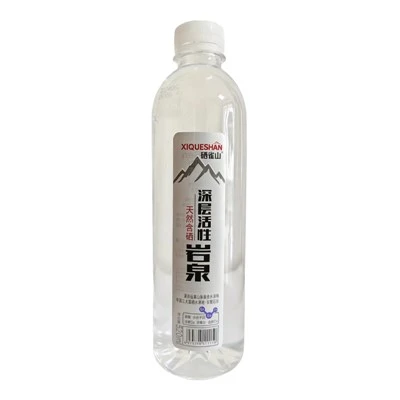
Don’t overcomplicate it, folks. Good water makes good infusions, and natural mineral water is one of the best options out there if you want something that’s easy, tastes great, and works with all kinds of herbs. Next time you’re at the store, skip the fancy soda water and the super mineral brands, grab a simple natural mineral water, and make your next batch of herbal tea—you’ll taste the difference immediately.
Natural Selenium Containing Mineral Water References
- USDA FoodData Central. (n.d.). Total dissolved solids and water quality. Retrieved from relevant agricultural and food science resources
- National Center for Home Food Preservation. (2021). Water quality for infusion and tea preparation.
- Herbal Medicine: Principles and Practices. (2019). Impact of water chemistry on herbal extraction of volatile oils and polyphenols.
- World Health Organization. (2017). Mineral waters for domestic use and culinary purposes.
Anhui Kexun Environmental Engineering Technology Co., Ltd.
As one of the most professional natural mineral water manufacturers and suppliers in China, we’re featured by quality products and good service. Welcome to wholesale bulk natural mineral water in stock here and get pricelist from our factory. We also accept customized orders.
Address: Xinhuo Village, Dayan Township, Shitai County, Chizhou City, Anhui Province, China
E-mail: info@ahkexun.com
WebSite: https://www.xiqueshanwater.com/
